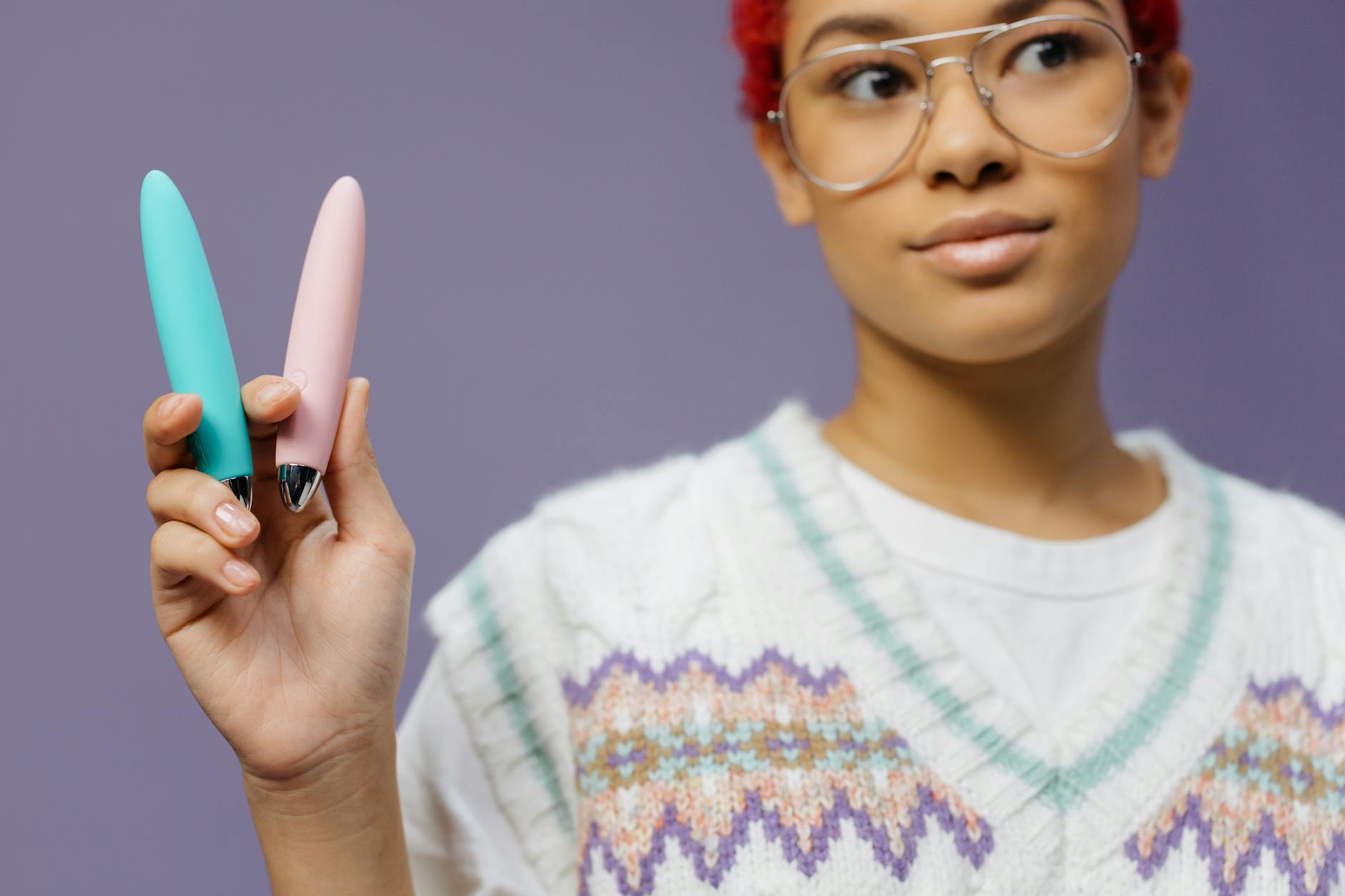
Let's be real: your body needs time to recalibrate
Stopping hormonal birth control is not like flipping a switch. You spent months or years flooding your system with synthetic estrogen and progestin. Your brain, your bloodstream, and your arousal pathways all adapted to that chemical baseline. When you stop, everything recalibrates, and that recalibration period can feel weirdly disorienting, especially sexually.
The confusion often sounds like this: "I thought I'd feel more desire once I quit the pill, but my libido feels flatter than ever. And my orgasms don't feel the same. Did I break something?"
You didn't break anything. What you're experiencing is real, common, and temporary. And clitoral vibrators like those from Lem Vibrator can actually help shorten the adjustment period.
What actually happens when you stop hormonal contraception
Hormonal birth control suppresses your natural estrogen and progesterone cycle. When you quit, your pituitary gland has to remember how to produce those hormones on its own again. This can take anywhere from a few weeks to several months, depending on how long you were on it and how your individual body responds.
During that recalibration period, several things change simultaneously. Your natural testosterone returns, which is great for desire but can take time to rebuild. Your tissue sensitivity shifts. The way your central nervous system processes pleasure rewires slightly. Your blood flow patterns adjust.
Here's what catches most people off guard: arousal doesn't feel the same. It might feel slower to build, or less intense, or differently distributed across your body. Some people report that orgasms feel shallower. Others say they're sharper but harder to reach. A few describe a weird numbness they didn't have before.
None of this means you're broken. It means your body is recalibrating.
Why the pleasure gap exists during the transition
When you were on hormonal contraception, your body had a predictable chemical baseline every single day. Your arousal system calibrated to that baseline. The instant you stop, that baseline vanishes and your endocrine system has to figure out what to do next.
The tricky part is that arousal is not purely hormonal. It's hormonal plus neural plus psychological plus relational. During the recalibration period, you're running a hardware upgrade while the software is still booting up. Your dopamine receptors are resensitizing. Your vaginal tissue is changing its pH balance. Your pelvic floor is adjusting to different hormonal support. Meanwhile, your brain is waiting for arousal cues that feel familiar and they don't quite land the same way.
Some research suggests that people who spent years on hormonal birth control, especially high-dose formulations, can take 6 to 18 months to fully stabilize. During those months, you're not being ghosted by your own body. You're in a transition.
Why lemon clitoral vibrators work particularly well during this phase
Here's where it gets practical. Lemon vibrators use suction and gentle pulsing rather than vibration alone. During hormonal recalibration, this matters.
When arousal is sluggish or sensation feels dulled, direct vibration can feel either too intense or not engaging enough. Suction-based stimulation like the lemon clitoral vibrator activates a different pattern of nerve endings. It creates a broader, more diffuse kind of stimulation that doesn't require hair-trigger arousal to feel good.
You can start a lemon vibrator at a lower intensity and gradually work up without the performance pressure that traditional vibrators can create. If you're worried that sensation should be arriving by now but it isn't, suction vibrators feel less like you're "trying harder" and more like you're exploring.
Additionally, suction-based stimulation tends to feel less overwhelming for people whose tissue sensitivity is still fluctuating. You're not ratcheting up intensity to chase sensation. You're letting sensation build gradually, which often works better when your nervous system is still finding its footing.
The timeline for pleasure recovery is personal
Three months? Six? A year? The answer is: it depends on your body, how long you were on hormonal contraception, the type of contraceptive you used, and a dozen other individual factors.
But here's what usually doesn't help: waiting passively and assuming things will magically return to baseline. Reconnecting with your arousal during this transition works better when you're actively exploring. That's not to say you should be performing or putting pressure on yourself. It means gentle, curious, consistent exploration of what feels good now, not what felt good before.
If you're partnered, this is a good time to explain what's happening. "My body is recalibrating from hormones I took for years. That means arousal might look different for a while, and I might need to explore differently." That conversation prevents a lot of misinterpretation.
If you're solo, this is an ideal window for self-exploration without the pressure of someone else's timeline.
How to use lemon vibrators during the recalibration period
Start low. If you're used to traditional vibrators cranked to high intensity, you might assume a lemon vibrator at intensity 1 or 2 is "not doing anything." Give it time. Suction builds sensation gradually. You're not looking for instant fireworks. You're looking for a building sense of engagement.
Budget 20 to 30 minutes. When arousal is sluggish, you're not looking to sprint. You're looking to ease into sensation. A longer timeline actually helps your nervous system settle into the experience rather than chase it.
Pay attention to what arousal actually feels like right now, not what it felt like before. This sounds obvious, but it's where most people stumble. Your brain expects a certain sensation arc, it doesn't arrive on schedule, and suddenly you're thinking "this isn't working" instead of "oh, this is what pleasure feels like today."
If numbness is the issue, you might find that <a href="/en/blog/how-to-use-lemon-vibrators-when-your-clitoris-feels-numb-or-desensitized">a gradual approach to rebuilding sensation works better than intense stimulation</a>. Suction vibrators excel at this because they don't require tissue to be hypersensitive to deliver pleasure.
Let sensation build across multiple sessions rather than expecting instant results in one session. Your nervous system is rewiring. That takes time.
What to expect in the months ahead
Most people report that pleasure starts feeling more familiar again somewhere between three and six months after stopping hormonal contraception. Some experience a noticeable uptick in natural lubrication and arousal speed. Others describe their orgasms as more intense than ever because they're no longer muffled by synthetic hormones.
But the recalibration isn't linear. You might have a week where everything feels great, then a week where sensation is dull again. That's normal. Your hormones are still cycling and settling. You're not regressing.
One thing that often surprises people: once you're through the transition, many report that pleasure feels richer than it did before stopping contraception. Not because there's anything wrong with hormonal birth control, but because you've now experienced pleasure through two different hormonal states. You have more information about your body.
When to get support
If after six months arousal still feels completely absent or if pain develops during sex, check in with a reproductive endocrinologist or menopause-trained GP. Sometimes post-pill hormonal imbalances need clinical support. That's not failure. That's useful information.
If the pleasure gap is causing relationship tension, <a href="/en/blog/how-to-use-lemon-vibrators-when-your-partner-resists-pleasure-toys-together">talking openly about what your body needs during this transition</a> prevents a lot of downstream resentment.
If you're struggling with the psychological weight of the transition (grief about the body changes, anxiety about whether pleasure will return), therapy designed for life transitions can help.
But for most people, gentle exploration with the right tools, realistic expectations about timing, and a little patience reconnects them to pleasure pretty effectively. Lemon vibrators are a useful part of that toolkit.
Frequently asked questions
How long does it take for libido to return after stopping birth control?
Does libido return right away? Usually not. Most people experience a noticeable shift in arousal between 3 to 6 months after stopping hormonal contraception. Some see changes within weeks. Others take up to a year for their desire to stabilize at a new baseline. The timeline depends on how long you were on the pill, your individual hormonal response, and other life factors like stress and relationship dynamics. There's no universal "normal."
Can birth control permanently affect arousal even after stopping?
Short answer: not typically. But the transition period feels real and is worth taking seriously. Some research suggests that certain types of hormonal contraception, especially those with higher progestin doses, can slightly dampen arousal sensitivity. Once you stop and your body fully recalibrates, most people report arousal returning to baseline or improving. If arousal issues persist beyond 12 months after stopping, that's worth discussing with a doctor to rule out other factors.
Why do orgasms feel different after quitting hormonal birth control?
Your nervous system adapted to your previous hormonal baseline. When that baseline shifts, the sensory signals your brain receives change too. Additionally, tissue sensitivity, blood flow patterns, and pelvic floor muscle tone all respond to hormonal changes. An orgasm is the product of all those factors firing in coordination. Different hormonal state equals different coordination pattern. It doesn't mean anything is wrong. It means your body is literally different now.
Is it normal to have numbness in the clitoris after stopping birth control?
Yes. Some people experience reduced sensation in the first weeks or months after quitting hormonal contraception. This typically resolves as hormones stabilize. If it persists beyond six months, or if it's paired with pain, mention it to your doctor. In the meantime, <a href="/en/blog/how-to-use-lemon-vibrators-for-better-sensation-when-you-have-reduced-clitoral-sensitivity">gentler exploration with suction-based vibrators can help you rebuild sensitivity gradually</a> without forcing intense stimulation.
Can lemon vibrators help with post-pill arousal problems?
They can help bridge the transition. Suction-based stimulation is often easier to engage with when arousal is sluggish or sensation is dulled. They don't require you to already be highly aroused to feel good, which makes them useful during a recalibration period. But they're a tool, not a cure. The real work is time, patience, and self-exploration.
Should I wait until my hormones stabilize before using vibrators?
No. Gentle exploration during the recalibration period can actually help your nervous system relearn what pleasure feels like under your new hormonal baseline. You're not waiting for your body to be fixed. You're actively reconnecting with it as it changes. That's usually faster and feels better than passive waiting.
You're not broken, you're recalibrating
Your body spent months or years on synthetic hormones. Stepping off that baseline is a legitimate transition, not a personal failure. Arousal will feel different for a while. That's not a sign something is wrong. It's a sign your body is doing exactly what it's supposed to do: adjusting.
If you're looking for tools that work well during this in-between phase, lemon clitoral vibrators offer a gentler entry point than traditional vibration. They reward patience and exploration. And they're designed for the exact kind of journey you're on right now.