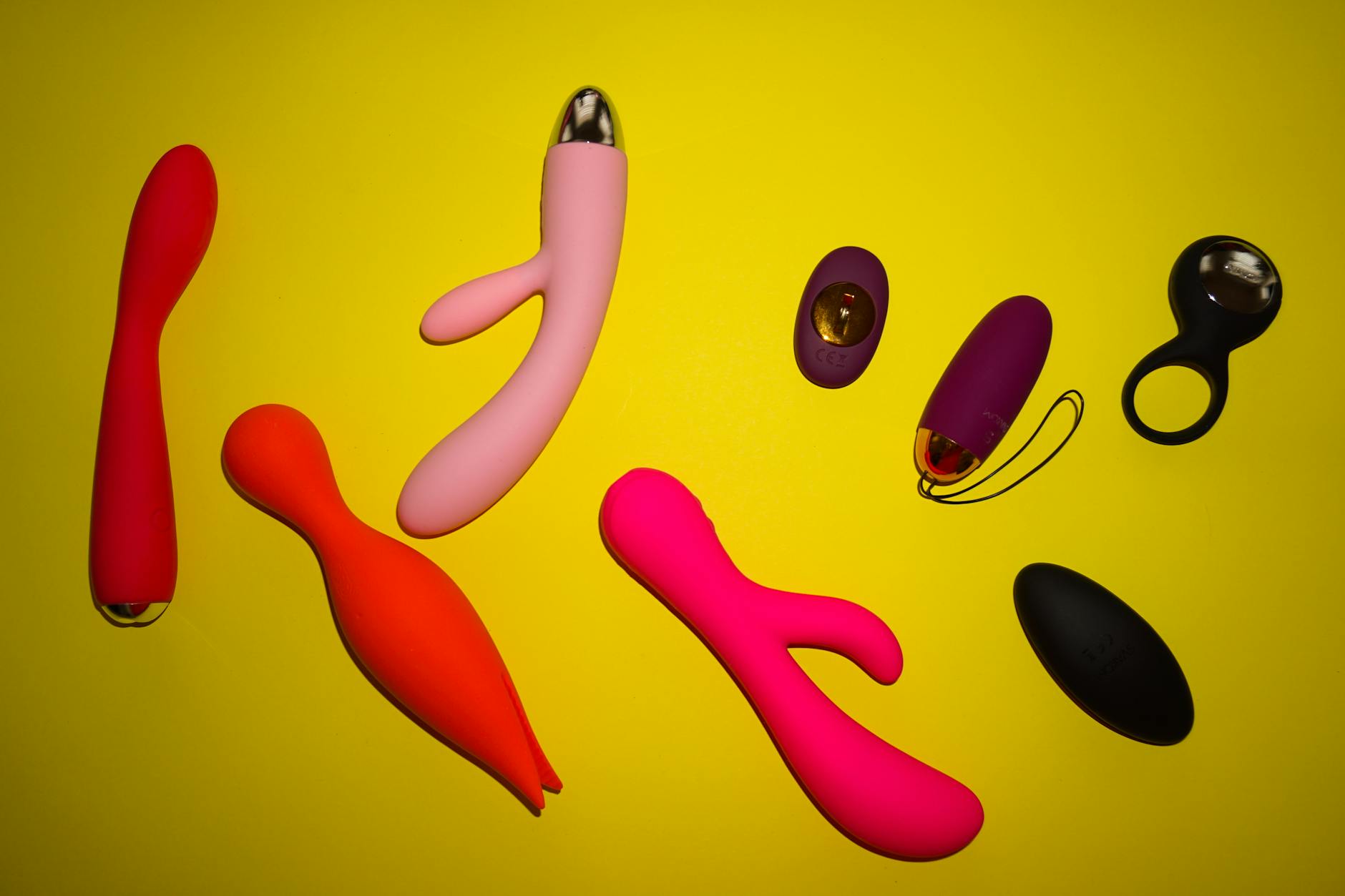
Let's talk about sensitivity and vibrators
Here's the thing: if you have a sensitive clitoris, being told to just "grab any vibrator" is useless advice. Sensitivity is real. It can make standard toys feel overwhelming, painful, or numbing all at once. The good news? Lemon vibrators are actually built differently than traditional vibrators, which means they work beautifully for sensitive bodies when you choose the right one and use it correctly.
I've worked with hundreds of people navigating this exact situation. The pattern is always the same: sensitivity feels like a limitation until you find the right tool and technique. Then it becomes an advantage. You're not broken. You just need the right match.
Why lemon vibrators feel different for sensitive people
Lemon clitoral vibrators use air-suction technology instead of traditional vibration. That's the core difference that matters. Traditional vibrators buzz directly against tissue, which can feel intense, numbing, or even painful if you're sensitive. Lemon vibrators create gentle suction waves that stimulate nerves without aggressive friction. It's like the difference between poking something and gently lifting it. Same goal, completely different sensation.
For people with sensitive clitorises, this matters enormously. You get stimulation without the assault. The sensation tends to feel more diffuse and less sharply intense, which most sensitive bodies prefer.
There's also a practical advantage: you have more control. With traditional vibrators, intensity comes from buzz speed. With a lemon sucker, you control both the suction strength and your positioning. That control is everything when you're figuring out what works for your body.
The sensitivity spectrum: where you probably fit
Not all sensitivity is the same. Understanding your specific flavor helps you pick the right tool.
Reactive sensitivity (the most common). Your clitoris responds strongly to touch. Light contact feels sharp or overwhelming. You might orgasm quickly, or you might struggle because the sensation is too intense to enjoy. If this is you, you need a lemon vibrator that starts gentle and lets you build. Look for models with truly low starting intensities. The Lem by Hello Nancy has seven patterns, and the first few are specifically calibrated for gentle stimulation.
Numb sensitivity (less obvious, more frustrating). Standard vibrators feel like nothing, or they numb the area after a few minutes. This happens to about 20 percent of people with clitorises, and it's not a character flaw. Your nerve sensitivity is just different. Lemon vibrators often work better here because suction feels more novel to your nerves than vibration does. The change in sensation type can rewaken responsiveness.
Tender sensitivity (pain, not pleasure). If direct touch causes sharp pain or discomfort, you have a real medical consideration that goes beyond toy choice. Talk to a gynecologist before trying any vibrator. Once you've ruled out infection or pelvic floor dysfunction, a lemon vibrator's gentler suction approach is a good starting place. But medical first, vibrator second.
Emotional sensitivity (anxiety, overthinking). Sometimes "sensitivity" is actually performance anxiety or disconnection from your body. A lemon vibrator can help here too, because the novelty and control often bypass the overthinking that blocks pleasure. But be patient with yourself. Pleasure is a skill you're rebuilding, not a switch you're flipping.
How to pick your first lemon vibrator as a sensitive person
Three things matter more than brand hype: starting intensity, pattern diversity, and material.
Starting intensity first. Get a model where pattern one is truly gentle. Not "medium-light," actually gentle. This is non-negotiable. The Lem has seven patterns starting with very soft suction waves. That matters. If you buy a toy where the lowest setting still feels aggressive, you'll abandon it.
Variety in patterns. You don't want just on and off. Sensitive bodies benefit from rhythm changes. Patterns that pulse, ebb, and vary in pressure give you more to work with than a constant buzz. More patterns mean you can find the exact rhythm that clicks for your nervous system.
Silicone, always. Soft medical-grade silicone feels better on sensitive tissue and is easier to clean thoroughly. It's also less likely to hold bacteria. Avoid anything made of porous materials if sensitivity is connected to infection history.
Beyond that, honestly, don't overthink the specific model. Pick a reputable brand, read reviews from other sensitive people (not just people who like intense sensation), and give yourself permission to return it if it doesn't work. Toys aren't one-size-fits-all. Your job is to find the one that fits you.
The technique that matters more than the tool
Even the perfect lemon vibrator won't work if you're using it like you're supposed to use a traditional vibrator. Technique changes everything for sensitive people.
Start at the edges, not the center. Your clitoris is more sensitive at the tip and less sensitive at the sides and base. If direct contact feels overwhelming, position the suction cup slightly off-center so it stimulates the surrounding tissue rather than the most sensitive part directly. As you warm up, you can shift toward more direct stimulation.
Lubricate, even if you don't think you need to. Water-based lubricant between your skin and the toy's opening creates a softer interface. It reduces friction and makes the whole experience feel smoother. Your sensitive clitoris will thank you.
Stay under pattern four for the first month. Just because your toy has seven patterns doesn't mean you need to use them all immediately. Give your body time to acclimate. You can always increase intensity later. What matters now is building positive association with the sensation, not chasing the strongest orgasm immediately.
Build in rest days. Sensitive bodies need recovery. Use your lemon vibrator three to four times per week, not daily. This keeps your nerve endings responsive instead of numbed out. It also prevents the psychological drift where pleasure becomes an obligation.
Common mistakes sensitive people make
I see these constantly, and they're easily fixed.
Assuming you're broken if it doesn't feel good the first time. Your body needs to learn this new sensation. That takes three to five sessions minimum. Give it a real chance before deciding it's not for you.
Jumping to high intensity too fast. You're sensitive. High intensity doesn't feel better. It feels panicky. Stay gentle longer than feels necessary. Pleasure builds slowly for sensitive bodies, and that's actually where the best sensations live.
Using it the same way every time. Nerve endings get bored. Switch patterns. Change your position. Vary the angle. Novelty keeps your nervous system engaged and responsive.
Forcing yourself to orgasm on a timeline. Sensitivity often means pleasure takes longer, especially at first. Remove the deadline. Remove the expectation. Orgasm is the outcome of pleasure, not the goal. When you reverse that, sensitivity stops being a problem.
When sensitivity is actually a sign of something else
Sometimes what feels like sensitivity is actually inflammation, infection, hormonal change, or pelvic floor tension. Three red flags that mean talking to a gynecologist before trying any vibrator.
If touch causes sharp pain, not just intense sensation. If you've developed sensitivity suddenly (it used to be fine). If sensitivity comes with discharge, itching, or burning outside of sexual context. Get checked. Lemon vibrators are great tools, but they're tools, not treatments.
Once you've ruled out medical stuff, sensitivity often improves with the right approach. People with pelvic floor tension sometimes find that gentle suction actually helps them relax the area over time. People with hormonal sensitivity find that consistent, gentle stimulation helps their bodies recalibrate. Again, talk to your doctor first.
The long game: sensitivity gets better
This is the thing I want you to know: sensitivity doesn't mean your pleasure will always be complicated. It means you're starting with a different setup. But most people I've worked with find that over months, as they learn their body and get consistent, gentle stimulation, sensitivity actually becomes less of a barrier. Your nervous system learns. Your confidence grows. The toy that felt overwhelming in month one becomes a reliable part of your pleasure practice by month three.
Your job right now is just to pick something reasonable and stick with it long enough to actually know whether it works. Choose a lemon vibrator designed for beginners, start at the lowest patterns, be patient with yourself, and trust that pleasure is learnable even if it feels complicated right now.
People also ask
Will a lemon vibrator numb my sensitivity over time?
With proper use, no. The reason people experience numbness is usually overuse at high intensities or switching to higher patterns too quickly. If you use a lemon vibrator three to four times weekly, start gentle, and vary your patterns, your sensitivity stays consistent or improves. The key is rotation. Give your body recovery days.
Can I use a lemon vibrator if I have vaginismus?
Not immediately. Vaginismus involves involuntary muscle tension, and any vibrator can increase that tension when you're not ready. Work with a pelvic floor physical therapist first. Once you've had some progress with relaxation, a lemon vibrator's gentleness can be helpful as part of your gradual exposure plan. But medical guidance comes first.
How long does it take for a sensitive body to adjust to a lemon vibrator?
Most people get comfortable within three to five sessions. The first time often feels weird or intense. By session three, your nervous system has registered the sensation as safe and starts responding more naturally. By session five, you usually know whether this tool works for you. Give it at least that much time.
Is there a lemon vibrator specifically designed for beginners?
The Lem by Hello Nancy is built with beginners in mind. Seven patterns starting extremely gentle, soft silicone, straightforward controls. It's a solid first choice for sensitive people. But honestly, any clitoral lemon sucker from a reputable brand will work if it has those three features: gentle starting intensity, pattern variety, and quality silicone.
What if a lemon vibrator still feels too intense?
Try these adjustments in order: position it off-center instead of directly on the clitoris. Add lubricant. Use the lowest pattern only. Take longer breaks between sessions. Try it a different time of your cycle when you're less sensitive. If it still doesn't work after a month of real experimentation, consider whether your sensitivity might be pain-related and worth discussing with a gynecologist. Sometimes sensitivity signals something medical that needs attention first.
Can sensitivity get better with practice?
Yes. This is genuinely one of the most encouraging things about sensitivity. Your nervous system is plastic. It learns and adapts. Consistent, gentle stimulation helps your body build a better relationship with pleasure. People who commit to regular use often find their sensitivity softens over months. Not disappears. Softens. Which means pleasure gets easier to access.