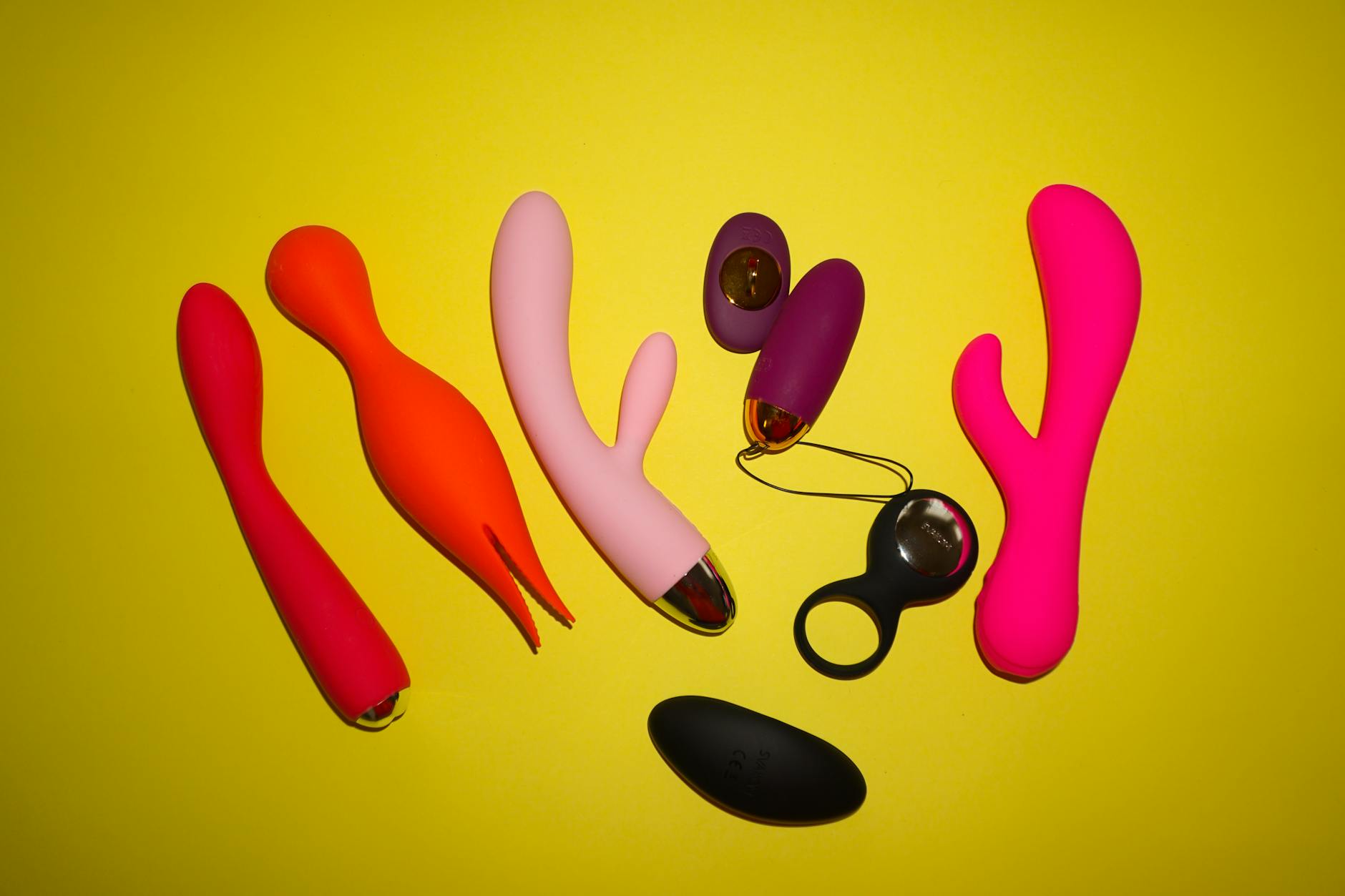
When your partner says no to something you want
Let's be real: you want to explore lemon vibrators or other clitoral vibrators in your relationship, and your partner isn't there yet. Maybe they think it means you're unhappy with them. Maybe they're worried about performance pressure. Maybe they just think toys are weird. Whatever the block is, you're stuck in a conversation that feels like rejection, when what you're actually navigating is a gap in desire and understanding.
I work with couples on this specific impasse regularly. The good news is that reluctance isn't a dead end. It's a conversation that hasn't happened yet in a way both partners could actually hear.
Why partners resist (and it's rarely what you think)
When someone says no to bringing toys into the bedroom, they're usually protecting something. Here are the actual fears hiding under "I don't think we need that."
Fear one: inadequacy. Your partner worries that wanting a vibrator means they're not enough. They think you're signaling that their body, their touch, their effort doesn't satisfy you. This is rarely the real reason you want the toy, but it's what they hear.
Fear two: performance pressure. They're anxious about already "performing" during sex. Adding a toy feels like another thing they could fail at or another way to do it wrong. They don't want to navigate learning something new when they're already self-conscious.
Fear three: identity threat. Some partners grew up with messaging that toys are for lonely people or that needing them means something is broken. They worry that agreeing to this signals something about them, the relationship, or what they'll be expected to want next.
Fear four: losing control of intimacy. This one's subtle. A partner might feel that bringing a toy into the dynamic means intimacy becomes less about the two of you and more about an object. It can feel like dilution of something sacred.
None of these fears are stupid. And none of them are solved by convincing your partner they're wrong.
The frame that actually works
Here's what I tell people who want to introduce lemon vibrators or any clitoral vibrator to a reluctant partner. Stop treating this like a negotiation where you're trying to win. Frame it as collaborative problem-solving instead.
The shift sounds small but it's everything. Instead of "I want to use a vibrator" (which sounds like a unilateral decision), you're saying "I've been thinking about ways we could both feel better during sex, and I want to explore this together."
The difference is that the second sentence includes your partner as a decision-maker, not a gate-keeper.
How to have the conversation (step by step)
Step one: pick the right moment. Not during sex. Not when either of you is tired or stressed. Pick a quiet evening when you both have space to talk without rushing. You're not asking permission. You're opening a dialogue.
Step two: lead with what you love about your sex life. "I really enjoy what we do together" or "I feel close to you when we're intimate." This is not empty flattery. You're signaling that you're not dissatisfied. You're curious about adding something, not replacing something.
Step three: name what you actually want. Be specific. "I've been curious about exploring what clitoral vibrators do. I think it could feel good for me" is better than "I want us to use toys." The specificity makes it real instead of theoretical. And naming what you want removes the mystery, which often reduces fear.
Step four: explicitly say what you're NOT saying. This is crucial. "I'm not saying you're not enough for me." "I'm not asking you to do anything you're uncomfortable with." "This isn't about performance. It's about pleasure." Your partner needs to hear the rejection of the fears they're carrying. Don't assume they'll figure it out.
Step five: ask what their hesitation is. And then listen without defending yourself. If they say "I feel like you're saying I'm not enough," your job is to say "That makes sense that you'd worry that. Can we talk about what would help you feel more secure?" Not "No, that's not what I mean" (they already know that's what you mean logically; they need to feel understood first).
The resistance that needs a different conversation
If your partner's hesitation comes from a place of control, shame spirals, or invalidating your pleasure entirely ("You don't need that, you're fine as you are"), you might be bumping up against a deeper dynamic that goes beyond toys. That's not a vibrator problem. That's a respect problem, and it deserves conversation with a couples therapist, not a solo trip to buy a lemon vibrator.
But if it's genuine nervousness or uncertainty, here's how you move forward.
Making it collaborative
Once your partner is in the conversation (not agreeing, just in the conversation), the next step is removing the stakes. You're not asking them to perform with the toy or use it on you or learn anything. You're asking them to be present while you explore something that interests you.
"I'd like to try a clitoral vibrator during sex, maybe while we're together. I'm not asking you to use it. I'm asking if you'd be comfortable being there while I do." That's a completely different ask than "Will you use this vibrator on me."
Many partners who say no to toys say yes to being present while a partner explores something alone. And presence is huge. It's the difference between "You're doing this despite me" and "You're doing this with me."
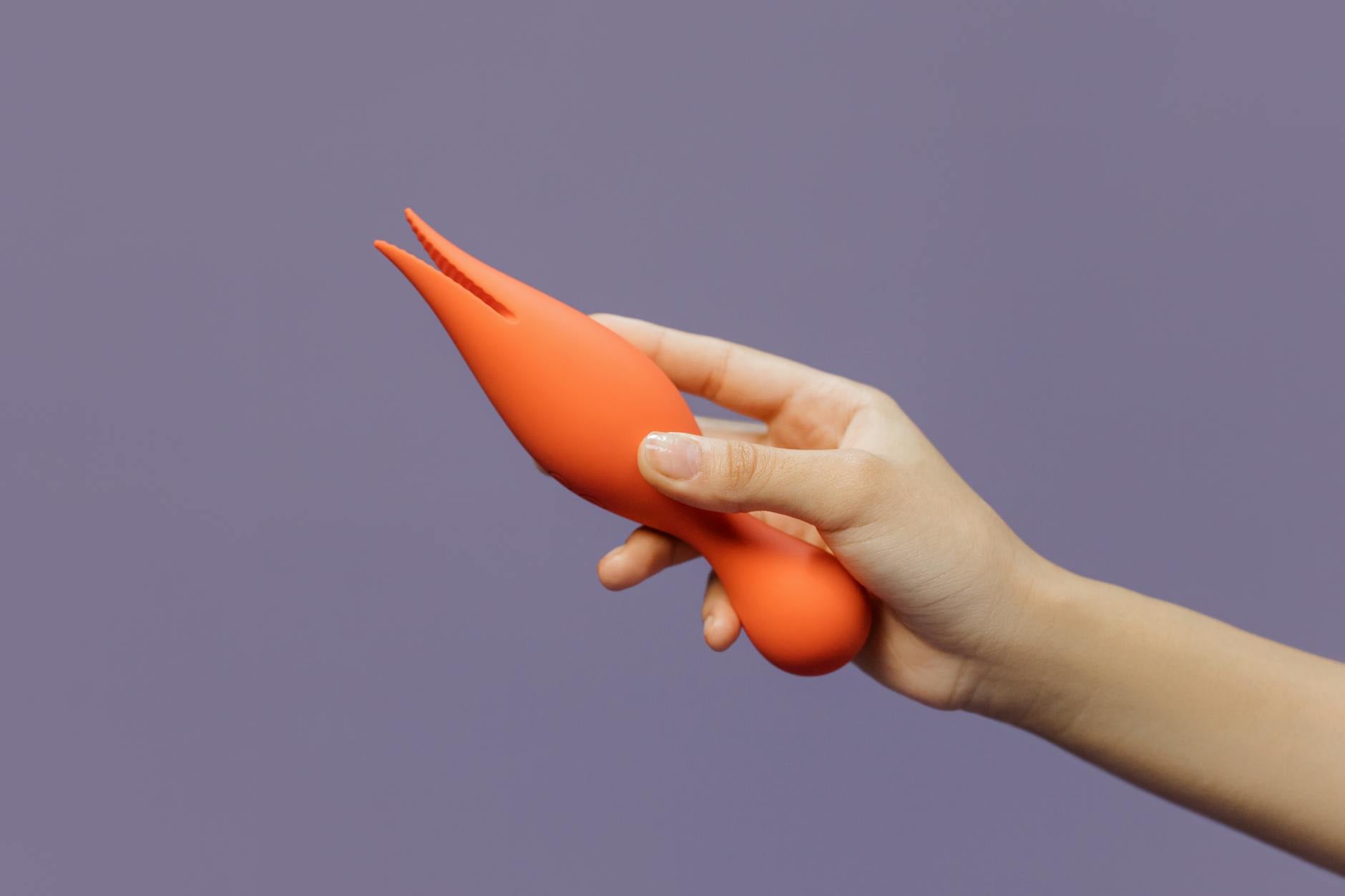
Photo by cottonbro studio on Pexels
When they come around (and they often do)
If your partner shifts from "no" to "I'm open to this," don't skip straight to performance. Let curiosity lead. Ask if they want to watch you use it first. Ask if they want to hold it. Ask if they want to explore what it feels like against their own body.
Many partners discover that their resistance was about the idea, not the experience. Once they see how much pleasure a lemon clitoral vibrator brings their partner, the threat they were worried about dissolves. They're not being replaced. Their partner is just happier. And that's its own kind of intimacy.
If your partner never comes around, you have a bigger decision to make about whether this relationship meets your needs. But many couples find that naming the fear, validating it, and moving slowly builds a foundation where both people feel safe exploring.
The real work
Introducing lemon vibrators or any sexual tool isn't really about the toy. It's about whether you and your partner can have vulnerable conversations where both people feel heard. If you can do that, toys become easy. If you can't, toys become impossible.
Start there. The rest follows.
FAQ: Common Questions About Introducing Vibrators to Partners
How do I know if my partner is genuinely uncomfortable or just scared?
Genuine discomfort and fear often look identical from the outside. The difference is in the conversation. If your partner can talk about what worries them and seems open to understanding your perspective, they're scared. If they shut down, refuse to discuss it, or insist you're wrong for wanting this, they might be genuinely uncomfortable with the idea of toys in your relationship, and that's information you need to respect. Some people have hard boundaries around sex toys, and that's valid. The question is whether you can both live with that boundary.
Should I introduce the vibrator in person or talk about it first?
Talk first, always. Bringing a lemon vibrator into the bedroom without discussion is a violation of consent, even if your partner eventually enjoys it. The conversation doesn't have to be long, but it has to happen. People need mental space to process before their body can relax into something new. The gift of a vibrator without warning triggers defensiveness, not curiosity.
What if my partner agrees but seems uncomfortable during sex?
Stop. Check in. "This doesn't feel right. We can pause." If your partner agreed but their body is tense, their mind is in it with you, and that defeats the purpose. Pleasure requires safety, and safety requires that both people can speak up. Make it easy to say "not right now" by checking in regularly: "Is this working for you?" "Do you want to keep going?" The willingness to pause is often what makes a partner willing to try again.
Can I use a lemon vibrator alone without my partner knowing?
Technically yes, but if your partner later discovers it, the trust hit is real. They'll feel like you hid something sexual from them, which reinforces their fear that you're doing this behind their back. If you need a vibrator and your partner has made clear they don't want toys in the relationship, you're at an incompatibility that deserves honest conversation, not secrecy. Either you decide to respect their boundary, or you decide you can't, and you both make choices from there. Hiding it doesn't solve anything.
How do I talk about this if my partner thinks I'm unhappy with them?
Name it directly. "I want to be clear: I'm not unhappy with you. I'm excited about exploring pleasure with you." Then follow that up with specific appreciation: "I love how close I feel to you," "Your touch matters to me." Reassurance sounds repetitive because partners need to hear it multiple times before their nervous system believes it. One sentence of reassurance won't stick if they're scared. Plan on this being part of multiple conversations, not a single speech.
What if we introduce lemon vibrators and my partner feels more insecure afterward?
Then you pause and talk about what triggered it. Maybe they felt left out. Maybe it activated old beliefs about their body. Maybe they realized they actually weren't ready. The vibrator isn't the problem. The insecurity is. And it deserves the same care you'd give any other vulnerability in your relationship. Sometimes that means stepping back. Sometimes it means going slower. Sometimes it means both of you talking to a therapist together about what's underneath the insecurity.
How long should I wait before bringing this up again if my partner says no?
Don't bring it up again unless something shifts in the relationship. If your partner says no today, they don't need to hear your case again next week. What they need is time, and they need to see that you're not going to pressure them. If the dynamic improves, if you both feel closer, if trust deepens, revisit it in a few months with "Hey, have you thought any more about what we talked about?" But not before. Repetition feels like pressure, and pressure kills consent.
Moving forward
Introducing clitoral vibrators or any sexual tool to a reluctant partner isn't about convincing them they're wrong. It's about building enough safety and trust that curiosity can exist alongside caution. Some partners will come around immediately. Some will take months. Some will never want it. All of those are okay, as long as you both know where you stand and you're both choosing to stay.
If you'd like more guidance on navigating intimate conversations in your relationship, contact Hello Nancy. We're here to help.