When years of distance become numbness
Let's be honest. After a decade or more of emotional disconnection, your body doesn't just lose interest in sex. It forgets what sensation even feels like. The nerves are still there. The capacity for pleasure hasn't vanished. But the neural pathways between your brain and your touch receptors have gone quiet, almost dormant. When a partner reaches for you and you feel almost nothing, it's not laziness or lost love yet. It's neurological silence.
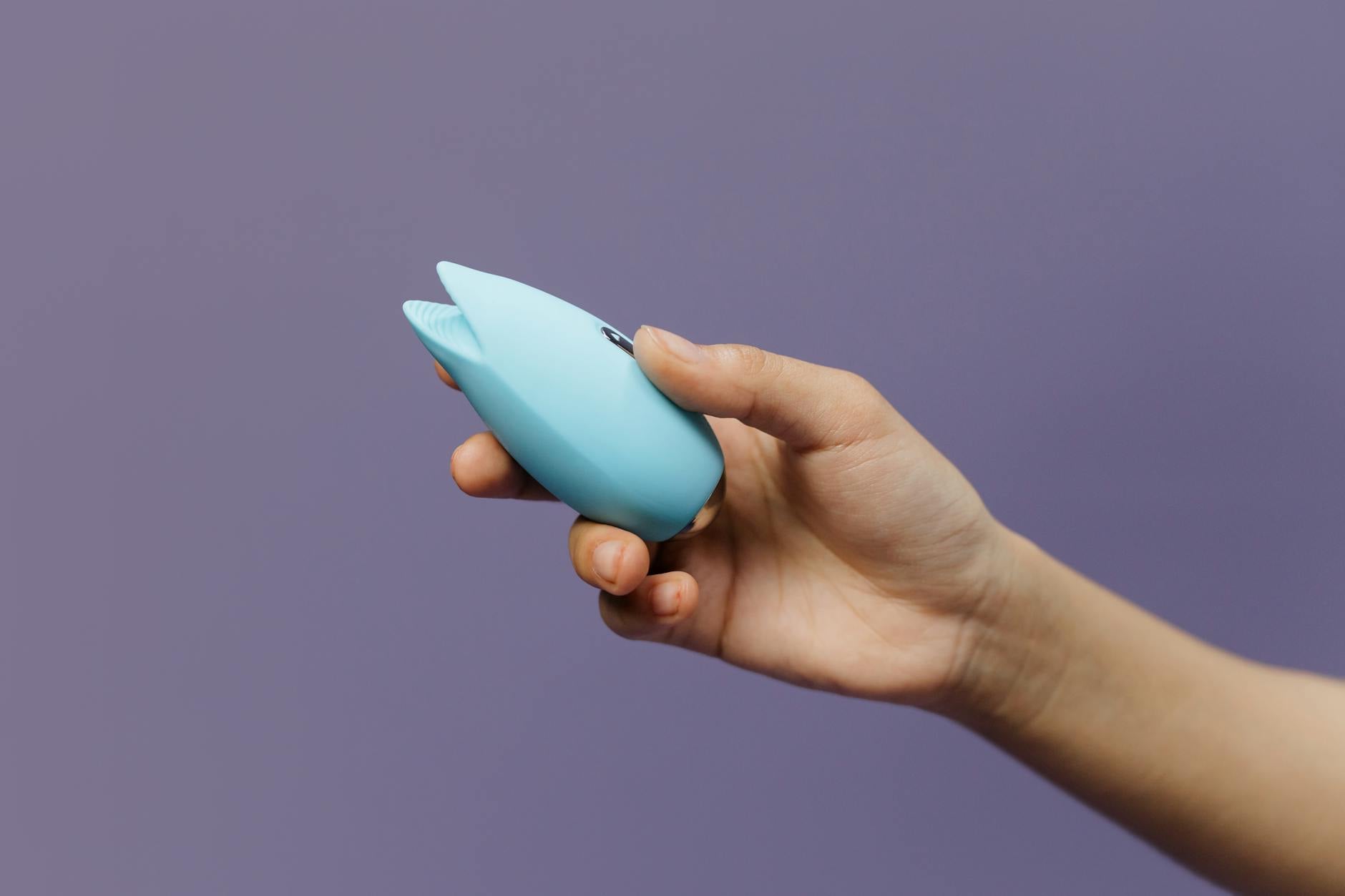
This is where lemon vibrators, and specifically the Lem's air-suction technology, becomes genuinely useful. Not as a relationship Band-Aid, but as a tool to wake your body back up so you can rebuild intimacy from an honest place.
The disconnection pattern
In couples therapy, I see the same arc over and over. Year one or two of relationship strain. Year three, you stop trying. By year five, you're sleeping separately or in separate emotional rooms inside the same bed. By year ten, many people report they don't actually know what their partner's touch feels like anymore. The sensation has faded to background noise. Some describe it as feeling numb; others say they've simply learned not to register it.
The nervous system doesn't distinguish between "emotionally shut down" and "physically unresponsive." Both activate the same dampening response. Your body protects itself from repeated rejection by literally reducing your sensitivity to touch. It's an adaptation mechanism. It's also reversible, but it takes deliberate rewiring.
Lemon vibrators offer something different from a partner's hands. They offer consistent, predictable stimulation that doesn't carry the weight of relational history. That matters.
Why sensation returns with the right tool
Three physiological things happen when you use a lemon clitoral vibrator after prolonged disconnection:
First, novelty reactivates the reward pathway. Your brain has learned to ignore familiar touch from your partner. But a new sensation (even a tool) bypasses that learned suppression. The air-suction mechanism used in the Lem works differently than hands or traditional vibrators. It creates a gentle wave of pressure rather than friction. That difference matters neurologically. Your nervous system perks up because it's processing something new.
Second, you regain agency. When you use a lemon vibrator alone, you control speed, pressure, pattern, and timing. For years in a disconnected relationship, you may have felt out of control during sexual moments. Maybe you were accommodating a partner's needs. Maybe you weren't interested but complied. Maybe you stopped being asked. A vibrator puts the choice back in your hands. That autonomy alone shifts the nervous system out of a protective state into an exploratory one.
Third, sensation builds sequentially. Using a lemon vibrator regularly (even just a few minutes every other day) sends your nervous system a clear signal: touch is safe, touch is intentional, and touch can feel good. Neural pathways strengthen. What felt numb in week one often registers as tingling by week three. By week six, many people report their first genuine pleasure sensation in years. That's not placebo. That's rewiring.
Starting the rewiring process alone
If you're considering this approach after a long disconnection, here's what I recommend.
First, don't tie it to your relationship yet. This phase is about you and your body, not about fixing things with your partner. That separation is crucial. You're not doing this "for" the relationship. You're doing this because your body deserves to feel good, and reconnecting with sensation is part of honoring yourself.
Second, set a low bar for success. You're not aiming for intense orgasms in week one. You're aiming for awareness. Notice what you feel. Notice where you feel it. Notice how it changes from session to session. A lemon vibrator's gentle air-suction pattern makes this easier than traditional vibrators because it's less overwhelming after sensory dormancy.
Third, be patient with your timeline. If you've been numb for five years, you're not going to wake up in five weeks. Expect eight to twelve weeks of gradual return. That's not a failure of the tool. That's normal nervous system recovery. Your body is learning to trust sensation again.
The conversation with your partner
Here's where most people get stuck. The impulse is to hide this from your partner, or to spring it on them as a surprise during sex, or to frame it as "maybe this will fix us." All three approaches backfire.
Instead, have a separate conversation entirely. Not during sex. Not when you're both frustrated. Ideally, when you're both calm and have time. The script I give my clients sounds something like this:
"I've realized I've been numb for a while now, and I think it's affecting how I feel about us. I'm not blaming you. This is my body's way of protecting itself. But I want to wake it back up. I'm going to try something on my own first, just so I can feel what sensation is like again. Once I've done that, I'd like to explore ways we can reconnect together. I'm telling you this because I'm committed to rebuilding this."
Notice what's absent: apology, shame, urgency. Notice what's present: clarity about what you're doing, honesty about why, and an invitation (not a demand) for partnership.
Your partner's response matters, but their buy-in isn't required for you to do this work. You're reconnecting with your own body first. If your partner is threatened or dismissive, that's data about the relationship that you'll need to decide what to do with. But it doesn't stop you from healing your own sensory system.
Rebuilding physical intimacy together
Once you've spent four to eight weeks using a lemon vibrator alone and your sensation has started returning, you can begin inviting your partner back in.
Start with non-sexual touch. This sounds basic, but couples in disconnection often skip it. Hold hands. Lie close without trying to have sex. Let your body remember what familiar touch feels like now that you're not numb. You may feel more sensation than you did before. You may still feel less than you want. That's normal. You're still rewiring.
When you move to sexual touch, the tool can be part of it or separate from it. Some couples enjoy using a lemon vibrator together because the sensation is consistent and both partners can feel the effect. Others prefer to use it privately and then be intimate with their partner after. There's no rule. What matters is that you're both communicating what you're doing and why.
As I work with couples rebuilding after disconnection, I notice that tools like lemon vibrators paradoxically create more intimacy, not less. They're not a replacement for a partner's touch. They're proof that you're both willing to explore and adjust. They signal that pleasure and sensation are worth prioritizing. That's an intimate gesture in itself.
When sensation returns differently
One thing that surprises people: when you rewire after a long disconnection, sensation may not return exactly as it was before. Your body has changed. Your nervous system has changed. Some people find they prefer lighter touch now. Others discover they want more intensity. Some find they're more orgasmic. Others find orgasm matters less and sensation matters more.
This isn't a loss. This is information. It tells you who you are now, not who you were. A lemon clitoral vibrator, with its gentle air-suction pattern, gives you room to explore without overwhelming a nervous system that's still learning to feel again. You can start at the lowest patterns and work up as your sensitivity returns. You're in control of the pace.
For couples rebuilding after years of distance, this exploratory phase often becomes the bridge back to real intimacy. You're learning each other's bodies again. You're learning what feels good now, not what felt good ten years ago. That's often more connecting than trying to recreate an old dynamic that didn't work anyway.
The honest part
Here's what I tell my clients when they ask if a vibrator can fix a disconnected relationship. It can't. But it can fix your relationship to your own body. And that matters more than you think.
When you're numb, you can't actually assess what you want from your partnership. You're making decisions from a place of sensory silence. Once you've rewired, you can make choices from a place of real feeling. Maybe that feeling is "I want to rebuild this with my partner." Maybe it's "I want to leave." Maybe it's "I want to try something different while staying together." All of those are honest options once sensation returns.
A lemon vibrator isn't a relationship hack. It's a tool for your nervous system. But your nervous system is the portal to real intimacy. It's worth the time to heal it.
Frequently Asked Questions
How long does it take to feel sensation again after years of numbness?
Most people report noticing small shifts within four weeks of regular use. By eight to twelve weeks, many describe a significant return of sensation. Everyone's timeline is different depending on how long the disconnection lasted and how much stress or other factors are affecting their nervous system right now. What matters is consistency, not intensity. A few minutes every other day beats an occasional longer session.
Should I tell my partner I'm using a lemon vibrator if we're already disconnected?
That depends on your relationship dynamic and what feels honest. If you're planning to stay in the relationship and rebuild, transparency eventually matters. But you don't need to announce it immediately. You can have a conversation when sensation has started returning and you're ready to talk about rebuilding together. If you're in a relationship where you're afraid of your partner's reaction, that's a separate issue worth exploring with a therapist.
Can using a lemon vibrator alone make rebuilding intimacy harder with my partner?
Actually, the opposite is usually true. When you've rewired your sensitivity through solo exploration, you have actual sensation to bring back to your partnership. You know what feels good. You're not numb. That clarity makes rebuilding more authentic, not less. Your partner isn't working with a ghost. They're working with someone who's present in their own body again.
What if my partner wants to use the lemon vibrator with me but I'm not ready?
That's completely valid. You get to set the pace of your own healing. You can use it alone for as long as you need before involving your partner. You can also be clear with them: "I need a few weeks to reconnect with my own body first. Then we can explore together." That boundary is actually healthy for rebuilding.
Is using a lemon vibrator a sign the relationship is broken?
No. It's a sign you're willing to do the work to feel better. Lots of healthy, connected couples use tools like lemon vibrators. The difference is why you're using them. After disconnection, a lemon vibrator is part of rebuilding. In a healthy relationship, it's just another way to explore pleasure. Both are fine. Intent matters more than the tool.
Can sensation return if I stay in a disconnected relationship?
Yes, your body can rewire with or without your partner changing. But here's the hard truth: if your relationship remains emotionally disconnected, your nervous system will eventually slip back into protective mode. You need both things. A tool like a lemon vibrator gets you back in touch with sensation. But a partner willing to rebuild emotional intimacy keeps you there. If your partner isn't willing to do that work, you'll eventually face a bigger choice about the relationship itself.
The bridge back
Reconnecting after years of disconnection is slow, uncomfortable, and sometimes it doesn't work out. But it starts with waking your body back up. A lemon vibrator can be the first honest conversation your nervous system has had in years. Once sensation returns, everything else becomes possible. If you want to explore rebuilding with your partner, let's talk. Reach out to discuss what reconnection might look like for your specific situation.