Let's talk about what actually happens to pleasure after birth
Everyone tells you about sleeplessness, feeding schedules, and the mental load. Nobody tells you that orgasms might feel different. Or that they might vanish entirely for a while. Or that when they come back, they're weirdly intense in ways you weren't expecting. All of it is normal, and almost none of it means something is broken.
Postpartum pleasure recovery is less like a switch flipping back on and more like slowly adjusting the volume on a device you forgot you owned. The tissues change. Hormone levels crash and rebuild. The pelvic floor went through something. Your brain is operating on four hours of interrupted sleep. And somewhere in all of that, your body is also your baby's primary food source. So yeah. Pleasure feels like a lot.
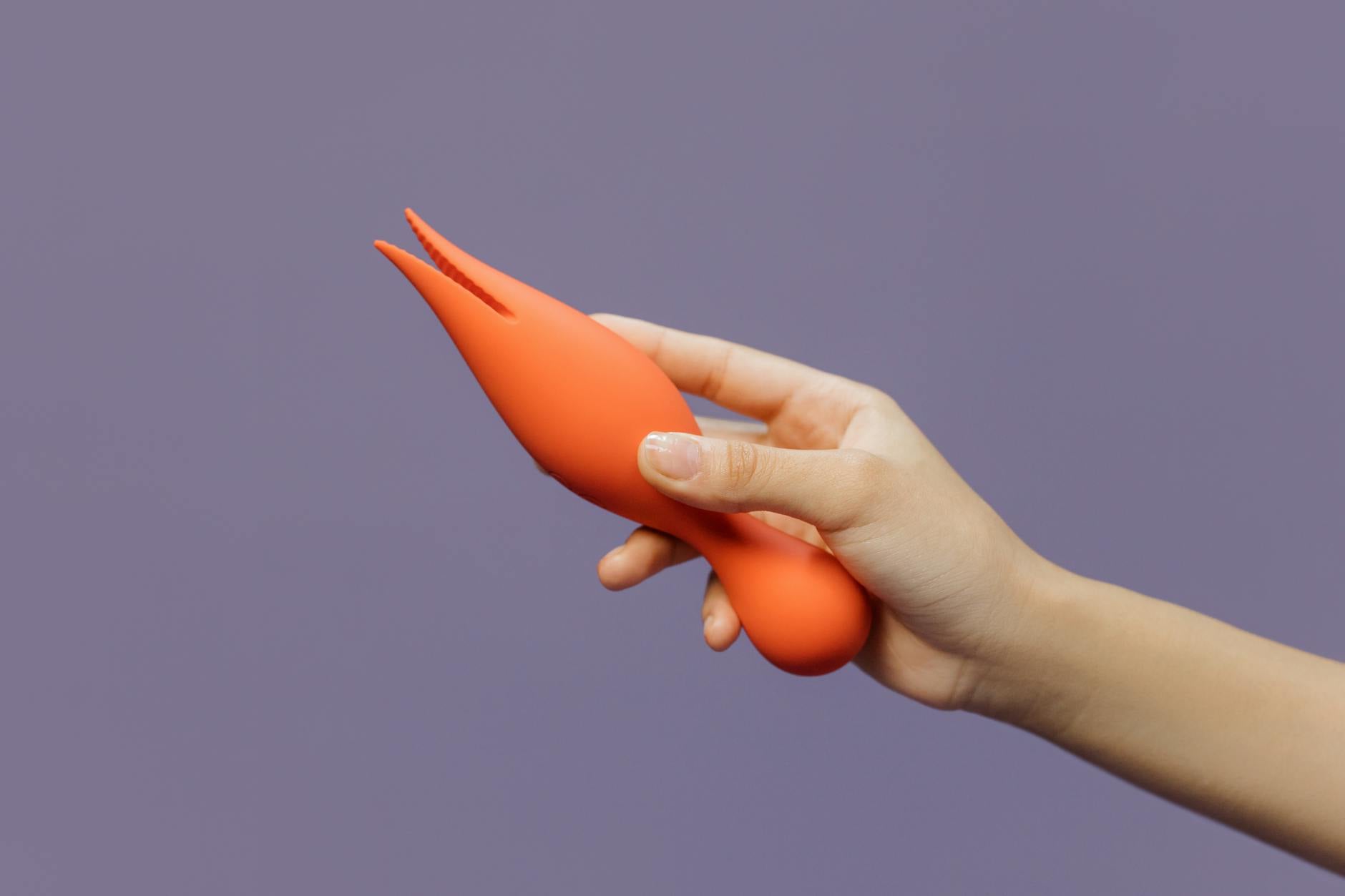
Here's the thing though: lemon clitoral vibrators, specifically tools like the Lem, are particularly useful during this window because they work with what's actually happening in your body right now, not against it.
What changes physically after vaginal birth
Your pelvic floor sustained trauma. I'm being clinical on purpose because "trauma" is accurate and you deserve to know it. Even uncomplicated vaginal births stretch and tear the muscles and tissue that sit underneath everything. Add episiotomies, tearing, or instrumental delivery, and the complexity increases.
Estrogen drops sharply after birth. This means tissue thinning happens faster and more noticeably than at menopause because the change is steeper and more sudden. Lubrication decreases. The vaginal opening may feel tighter or, counterintuitively, looser depending on how the healing happened. Nipple sensitivity often sky rockets, but clitoral sensitivity can actually dull temporarily.
Your body is also cycling through lochia (postpartum bleeding), milk production hormones, and sleep deprivation. These aren't small factors in pleasure. They're enormous.
What doesn't change: the clitoral nerve density, the brain's capacity to experience arousal, or your right to pleasure while you're recovering.
Why lemon vibrators work differently for postpartum bodies
Most vibrators rely on intensity or penetration. Lemon adult toys like the Lem use suction and pulsing patterns that create stimulation without requiring direct friction or internal sensation. For a postpartum body, that distinction matters wildly.
Your clitoris is still there. It's still functional. But the tissue around it is sensitive in new ways. A traditional vibrator pressing directly on swollen or thinner tissue can feel sharp or overwhelming. Lemon suction toys draw tissue gently into the device, creating a sensation that's closer to oral stimulation. It's less jarring. It allows for longer, building arousal without immediate intensity.
Second, you can control the pattern and intensity on most lemon clitoral vibrators. You're not locked into one setting. Start at pattern 1 or 2. Build slowly. Your body tells you when to increase. This matters because postpartum sensitivity is unpredictable week to week, sometimes day to day.
Third, if you're breastfeeding, lemon sexual toys that focus on external clitoral stimulation mean you're not dealing with tender breasts during arousal. That's not a small thing when your chest feels like it belongs to your baby and not to you.
When is it actually safe to start exploring again
The standard medical advice is six weeks postpartum before penetrative sex. But pleasure is not the same as penetration. And external stimulation is not the same as internal.
Honestly? You can explore clitoral sensation earlier if your body is ready. Some people feel ready at week three. Some don't feel ready until month four. The clearance from your GP or midwife is important, but it's also a baseline, not a finish line.
Here's what I tell clients: your body will tell you. If touching your clitoris feels good at week two, that's information. If it feels like nothing or feels wrong, that's also information. Lemon vibrators are tools, which means you can test them gently. Start with the lowest setting. Spend time just noticing sensation without the goal of orgasm.
If you had a cesarean delivery, the timeline is different but the principle is the same. Your pelvic floor is involved even if your vaginal opening wasn't directly affected. Approach the same way: slow, observant, with your body's feedback taking priority over a calendar.
How to actually use lemon vibrators during early postpartum recovery
Start solo and start small. Here's what I recommend:
Pick a time when you're not touched out. This is usually not immediately after feeding or settling your baby. It's not the moment before you know you need to go to bed. It's a moment when you're not in survival mode.
Begin with the lowest pattern and the shortest duration. Five minutes. Just noticing. Not trying to achieve anything. Lemon clitoral vibrators have multiple patterns. Stick to pattern 1 or the pulsing option. Intensity will feel very different than it did before birth.
Use water-based lubricant. Tissue is thinner. Lubrication helps. Full stop. If it feels uncomfortable, stop. There's no gold medal for pushing through postpartum discomfort during pleasure.
Notice what feels good without judgment. Maybe orgasms feel smaller. Maybe they feel slower to build. Maybe they feel exactly the same and you were worried for nothing. All of those are fine. This is information gathering, not performance.
If pain appears, pause. Sharp pain, burning, or feeling like something is tearing is your body saying stop. That's not normal postpartum adjustment. That's a sign to check in with your GP before continuing.
The emotional layer (which is actually the bigger layer)
Here's what nobody mentions: the biggest barrier to postpartum pleasure isn't physical. It's mental.
Your body feels like borrowed property. You're managing someone else's survival. Your sleep is fractured. Your sense of autonomy is complicated. And somewhere underneath all of that, you're supposed to feel sexy. The gap between "I am leaking from multiple places" and "I want to have an orgasm" feels impossibly wide.
Lemon sexual toys can help bridge that gap, but only if you give yourself permission to use them without guilt. This isn't selfish. This isn't abandoning your baby for fifteen minutes. This is reclaiming a part of yourself that postpartum life is trying to erase.
If you're with a partner, the conversation matters. "My body is recovering and feels different" is separate from "I want us to reconnect physically." Many postpartum people use lemon vibrators solo first, which rebuilds confidence and pleasure response, then gradually include partners when they're ready. That's a completely valid path.
When to reach out for support
If you're six weeks postpartum and orgasm feels impossible, that's not unusual. If you're four months postpartum and haven't felt any sensation return, that's worth mentioning to your GP. Postpartum depression and postpartum anxiety affect pleasure response. Pelvic floor dysfunction from birth trauma needs specialized physio. These aren't character flaws. They're medical and treatable.
Same thing if pain persists. Scar tissue, infection, or incomplete healing can cause ongoing discomfort during stimulation. Don't wait. Get checked.
Your pleasure matters. Your recovery matters. And rebuilding sensation after birth is not something you have to do alone or on a timeline that doesn't fit your actual body.
FAQ: Postpartum pleasure and lemon vibrators
Can I use a lemon clitoral vibrator if I'm breastfeeding?
Completely. The lemon vibrator doesn't interact with milk production or hormone cycles. What matters is your comfort level with your body during nursing. Some people find that breastfeeding heightens sexual sensitivity. Others find it makes touch feel invasive. If you're in the second camp, solo time with a lemon suction toy might actually feel more reclamatory because it's entirely for you.
How long after birth should I wait before trying a lemon vibrator?
Medical clearance is your baseline, usually six weeks. But external clitoral stimulation is lower-impact than penetration. Some people feel ready at four weeks. Listen to your body. Start on the lowest setting. If discomfort appears, pause. There's no rush.
Will a lemon vibrator feel the same as it did before pregnancy?
No. Your clitoris is the same, but the surrounding tissue is different. Swelling, thinning, and nerve sensitivity changes mean sensation will be altered. Usually it feels duller at first, then gradually returns. Sometimes it comes back stronger. That variation is normal.
What if I don't feel any sensation during early postpartum recovery?
That's extremely common. Hormone fluctuations, sleep deprivation, and the mental load of early parenthood all suppress arousal. Your nervous system is in survival mode. Give yourself permission to pause for a few weeks, then try again. If numbness continues beyond three months, check with your GP.
Can I use a lemon vibrator with my partner during postpartum recovery?
Yes, but solo exploration first often rebuilds confidence. Once you know what feels good on your terms, incorporating a partner becomes easier. Communication matters. "I want to try this, but I need you to go slow" is a complete sentence.
What if penetration still feels impossible but I want to explore with a partner?
Lemon clitoral vibrators are perfect for this. You can build arousal and orgasm externally while your partner is present. This rebuilds intimacy without the pressure of penetration. As healing progresses, you decide if and when to add that back in.
Moving forward
Postpartum recovery is not linear. Some days your body feels like yours again. Other days it feels like someone else is living in it. A lemon clitoral vibrator is one tool for reclaiming sensation on your own timeline. It's not a solution to the exhaustion or the mental load or the identity shift of becoming a parent. But it is a way to remind yourself that pleasure is still possible, even now, even with everything changed.
Your body will heal. Sensation will return, probably in unexpected ways. And you deserve to explore what that feels like, without timeline pressure or guilt. That's where lemon vibrators come in. They're built for bodies that have been through something. They work at whatever pace you're actually moving.
If you want to explore further, the complete buying guide walks through choosing the right clitoral vibrator for your needs, including postpartum recovery. You can also reach out with specific questions at /contact. Your pleasure matters, and you're not alone in this.