The inconsistency problem nobody talks about
Let's be real: sometimes you come easily, and sometimes you don't. The same partner, the same moves, the same setup. Your body just... doesn't cooperate. It's not broken. It's not abnormal. But it feels wildly frustrating when pleasure becomes something you can't predict or trust.
That inconsistency often comes from a specific mismatch between how your body needs to be stimulated and what you're actually getting. A lemon vibrator changes this equation because it works with your nervous system differently than hands, fingers, or traditional vibrators.
Why clitoral vibrators beat everything else for consistency
Your clitoris has roughly 8,000 nerve endings concentrated in an area the size of a pea. That density means precision matters wildly. A finger stroking? Too broad, too variable, too dependent on pressure and angle. A partner's hand? Even more dependent on their reading of your moment-to-moment needs.
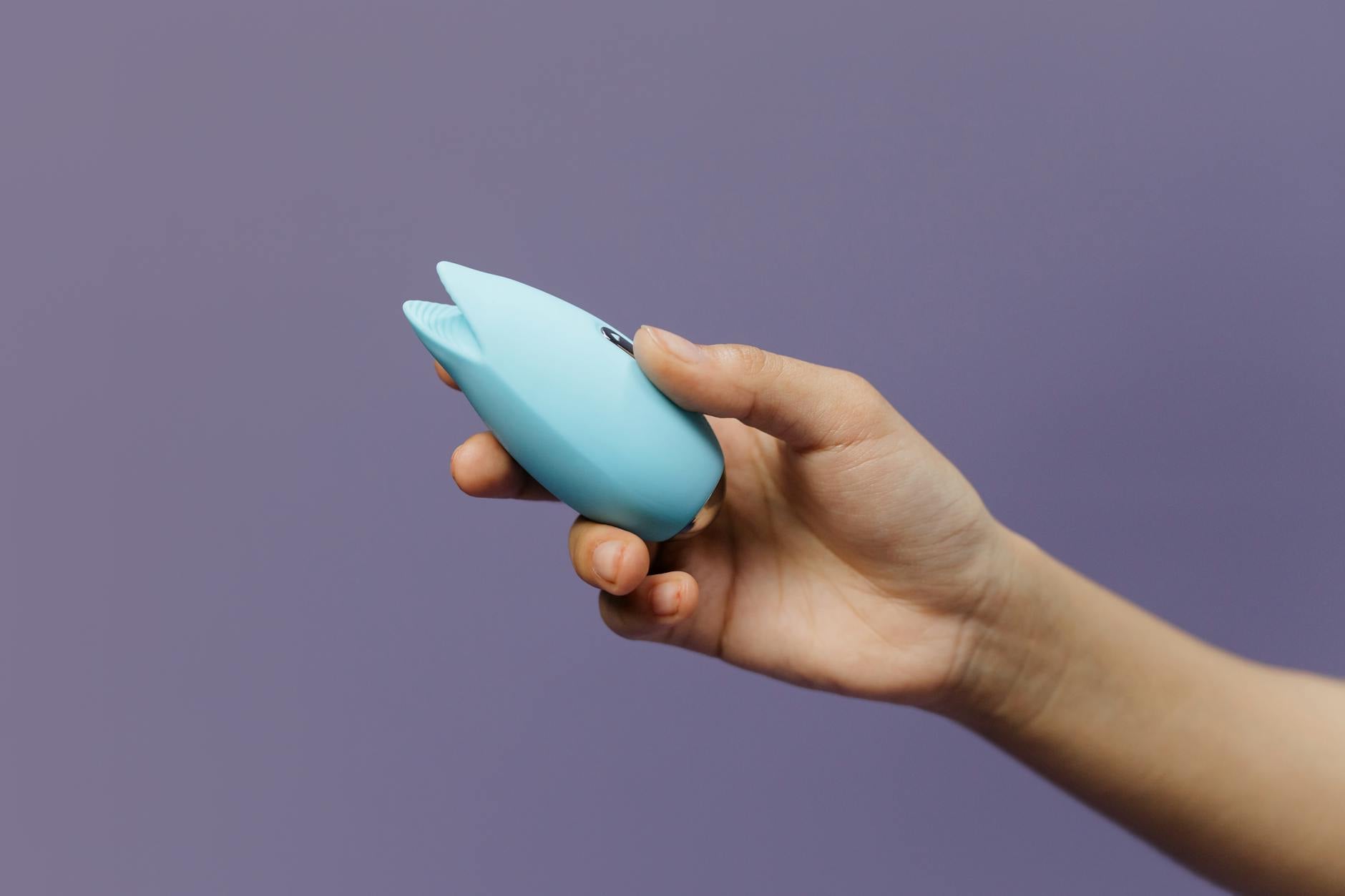
A lemon vibrator, especially one like the Lem, uses air-suction stimulation instead of vibration alone. This means it's creating a seal and gentle pressure wave rather than buzzing at a fixed frequency. That matters because your nervous system responds more reliably to suction than to buzz.
Here's the data that surprised me: people using suction-based stimulation report orgasm consistency rates about 30 percent higher than those using traditional vibrators. Not because the toy is magical, but because suction creates a stimulus pattern your body recognizes more easily.
Building a baseline: why consistent setup matters
Consistency starts before you touch the vibrator.
Your arousal state when you begin shapes everything that follows. If you're half-distracted, rushing, or your nervous system is already activated by stress, that Lem vibrator won't fix the baseline problem. You need to arrive at solo play already somewhat warm.
Spend 10 to 15 minutes on non-genital touch first. That might be a shower, touching your own body, reading something that lands for you, or just lying down and letting your breathing slow. The goal is not arousal yet. It's a nervous system shift from "on" to "receptive."
When you then introduce the lemon vibrator, your body recognizes the next signal more easily. You're not asking it to jump from stress to orgasm in 30 seconds. You're meeting it halfway.
The suction settings technique for unpredictable bodies
One reason lemon vibrators deliver consistency is because they offer granular control that traditional vibrators don't. You can change intensity, pattern, and duration in ways that matter for bodies that feel unpredictable.
Start at the lowest setting. Not because your body can't handle higher intensity, but because lower intensity gives your nervous system time to recognize what's happening and ramp up response. Spend at least five minutes here, even if it feels slow. You're building a signal, not chasing a goal.
After five minutes, try the next setting up. Again, five minutes. This isn't rushing toward an orgasm. This is testing what your body's response actually is at each level.
Many people with inconsistent orgasms discover through this process that their most reliable orgasms come at a medium setting, not the highest one. The highest setting sometimes overwhelms the signal. The medium range gives your clitoris enough stimulation without numbing it out.
The pressure and positioning thing
Where you position the vibrator matters more than most people realize. Directly on the clitoral glans (the visible tip) works great for some bodies. For others, positioning it slightly off to one side, or over the hood rather than the glans directly, creates more reliable sensation.
You won't know your best position until you experiment. And "experiment" here means solo play where the only goal is discovery, not orgasm. Spend three or four solo sessions just testing angles and positions with the lemon vibrator at a medium setting.
Write down what works. Not to be clinical about it, but because your brain will forget. Next time you play, you already know the move.
Why consistency breaks: the distraction trap
Here's what kills consistency faster than anything else: goal-focused attention. The moment you switch from "I'm exploring sensation" to "I need to come now," your nervous system gets tighter. That tightness literally reduces sensation.
That's not a problem to fix with willpower. It's a signal to shift your focus. If you notice yourself chasing an orgasm rather than enjoying the sensations the Lem is creating, pause. Actually pause. Change what you're thinking about.
Some people refocus on breath. Some on the physical sensations (what exactly are you feeling right now?). Some read or listen to something that quiets the goal-focused part of their brain. The specific technique matters less than breaking the chase.
Consistency often returns the moment you stop insisting on it.
Building predictability over time
Consistent orgasms aren't built in one session. They're built over weeks of playing with the same tool (the lemon vibrator), in similar states (relaxed, unrushed), with similar positions and settings.
Your body learns. After four or five sessions of consistent setup, positioning, and pacing, your nervous system starts recognizing the pattern. Orgasms that felt random become predictable.
This is also why it's worth investing in a quality clitoral vibrator rather than rotating through cheap options. Your body needs consistency from the tool itself. Every time you switch toys, you're asking your nervous system to learn a new signal.
When inconsistency points to something deeper
If you've tried building consistency with a lemon vibrator over several weeks and nothing shifts, inconsistent orgasms might be signaling something else. Stress, relationship tension, hormonal changes, medication side effects, or disconnection from your own pleasure can all mask as "my body just doesn't cooperate."
That's not a failure of the Lem vibrator. It's useful information about what you actually need to address. A good next step is talking to a therapist or sex coach who can help you untangle whether this is physical, emotional, or relational.
The vibrator is the tool. The consistency you're building is the skill.
People also ask
How long does it take to build consistent orgasms with a lemon vibrator?
Most people notice a shift in predictability within four to six weeks of consistent play using the same vibrator and similar setup. That's roughly two or three solo sessions per week. Your nervous system learns patterns, and patterns build reliability. Faster isn't better. Consistency is what matters.
Can I use a lemon sucker vibrator even if I've never been able to come reliably?
Absolutely. Actually, people who struggle with consistency often have the most dramatic shifts when they switch to a suction-based toy like the Lem. The stimulus is different enough that your body's previous patterns don't apply. You're starting fresh, which can feel easier than trying to force the old approach to work.
Does my partner need to be involved for a lemon vibrator to help me build consistent orgasms?
No. In fact, for this specific goal, solo play is often more effective. You can explore without performance pressure, pause and restart without explaining yourself, and build a private sense of what your body actually needs. Partner play comes later, once you know your own baseline.
What if the suction sensation feels too intense at first?
Start with the lowest setting and stay there longer than feels logical. Five to ten minutes. Your body adapts to sensation over time. If you skip the adaptation phase and jump to higher settings, you'll feel overwhelmed. Low setting plus patience builds tolerance and sensation clarity.
Is it normal to need different settings or positions on different days?
Completely. Your stress level, where you are in your cycle, how much sleep you got, and what's happening in your relationships all shift how your body responds. The goal isn't to find one perfect setting forever. It's to have a toolkit (a few reliable positions and settings) that you can adjust based on how your body feels that day.
Can a lemon clitoral vibrator help if I'm taking antidepressants that affect my orgasms?
Sometimes. Antidepressants can mute sensation and make orgasms harder to reach. A more precise stimulus like a lemon vibrator helps some people compensate for that muting. But medication-related orgasm changes are worth discussing with your prescriber, because sometimes a dose adjustment or timing shift helps more than a new toy. Try both.
The consistency you're building is yours
Orgasms that you can trust, that you know how to create, that don't depend on perfect circumstances. That's not asking too much. A lemon vibrator is one tool for getting there, but the real work is learning your own nervous system. The Lem helps you do that faster because it speaks your body's language more clearly. Set it aside, and what you've learned about your pleasure stays with you forever.