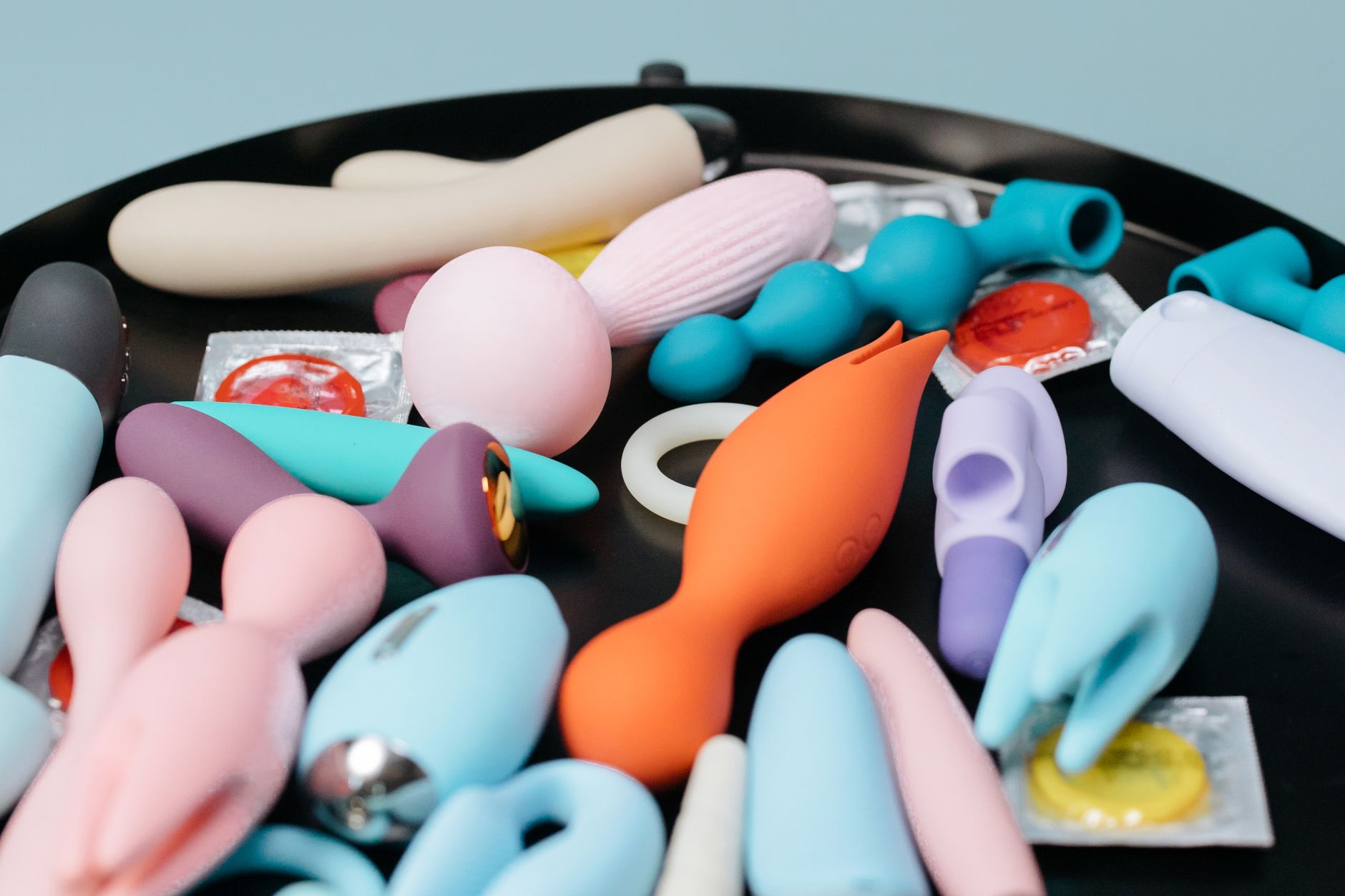
Let's name the thing nobody says out loud
You've never had an orgasm. Maybe you're 20, maybe you're 45. Maybe you've had plenty of sex. Maybe you haven't. Maybe you feel broken, or bored, or like your body has a mysterious off switch nobody knows how to flip. Honestly, you're not alone. Between 10-15% of women have never experienced orgasm, and that number climbs when you add in people who've only had disappointing or performative ones.
The shame around this is wild because the shame itself becomes part of the problem.
Lemon vibrators work differently for people pursuing their first orgasm, and I want to walk you through exactly why, what to expect, and how to set yourself up for success. This isn't about forcing anything. This is about removing obstacles.
Why anorgasmia happens (and it's rarely what you think)
Orgasm requires three things: physical stimulation in the right place, sufficient arousal, and mental permission to let go. If any of those three breaks, orgasm stalls. Most people focus on the first one. That's the trap.
Physically, the clitoris has 8,000 nerve endings concentrated in a space smaller than a pencil eraser. But here's the thing most toys miss: the nerve density isn't even across the clitoris. The glans (the visible tip) has about 4,000 of those nerves. The rest are in the tissue under the hood and around the base. A vibrator that just buzzes directly on the glans might miss the spots that actually work for your body.
This is why lemon clitoral vibrators, which use suction and rhythmic pulsing instead of pure vibration, reach differently. The suction creates a gentle pressure wave that stimulates a broader area of nerve tissue at once. For people who've never orgasmed, that broader approach often works better than direct, focused vibration.
But the physical part is maybe 40% of it. The other 60% lives in your head.
The mental block is probably the real one
Here's what I see in my practice constantly: people who've never orgasmed often grew up with messages that pleasure is selfish, that sex is transactional, that their body's responses are somehow embarrassing. By the time they're trying to orgasm, they're also managing a running commentary. "Is this taking too long?" "Am I broken?" "What if I never figure this out?" That anxiety shuts down the arousal system before you even get started.
The second mental component is expectations about what an orgasm should feel like. Hollywood sells you volcano eruptions. Magazines promise earth-shattering moments. The reality is often quieter. For many people, the first orgasm feels like a small tightening, a subtle release of pressure, almost anticlimactic. You might think nothing happened because you were waiting for fireworks.
Using a lemon vibrator specifically helps with both of these. The sensation is novel and different from what you might have tried (your hand, maybe a partner). Novel sensations interrupt the anxiety loop. You're not waiting for something to happen. Something is actively happening right now, and it's unfamiliar. Attention shifts from performance to sensation.
Why lemon suction vibrators are a different category here
Let me be specific about what makes a lemon clitoral vibrator like the Lem different from a traditional vibrator or a wand.
Traditional vibrators buzz the entire toy at a frequency. Your vulva either responds to that frequency or it doesn't. A wand vibrator covers more surface area but is often too intense for someone starting from scratch. Lemon suction vibrators pulse rhythmically and create a suction sensation that pulls on tissue gently. That dual action (suction plus pulsing) activates nerve pathways that might not respond to vibration alone.
Second, the intensity usually starts lower. A lemon vibrator often has 5-8 settings starting from genuinely gentle. If you've never orgasmed, you don't need a tool with 20 settings at maximum intensity. You need control and subtlety.
Third, the sensation is localized but not aggressive. The suction cup creates a sealed sensation that feels almost like a partner's mouth. For people whose first orgasms need psychological safety, that familiarity can matter.
The actual mechanics: how to start
If you've never orgasmed and you're picking up a lemon vibrator for the first time, here's what actually works.
Set a timer for 20 minutes, then throw it away. Don't think of this as a test you pass or fail. Think of it as exploration. If nothing happens, you still learned something about what your body responds to.
Start at pattern 1 or 2. Not the middle. Not where you think you should be. Start where it barely buzzes. You can always turn it up. You can't un-feel intensity.
Don't aim for the glans first. Position the cup around the clitoral area, lower and slightly to one side. Most people find their sensitive spots are off-center. You might need to shift position a few times. That's the whole point of this step.
Breathe. Seriously. When we're anxious, we hold our breath. Holding breath tightens the pelvic floor and actually prevents arousal. Slow breathing tells your nervous system it's safe to relax.
Stop if anything hurts. Pressure, yes. Discomfort, no. If pain shows up, pause. You might need water-based lubricant (which helps the suction seal better anyway). You might need a different approach. But the goal is pleasure, not endurance.
What you might actually feel (and what's normal)
This is crucial: if you've never orgasmed, you might not recognize it when it happens.
Some people describe the first orgasm as a flutter, a small release of tension, warmth. Some people feel a few involuntary muscle contractions and think that's it. Some people have a response that feels more intense and surprising. All of these are real.
You're also allowed to not have an orgasm the first time and still have discovered something useful about your body. Orgasm isn't the only good outcome here. Learning where and how you like to be touched is huge.
The psychology part: why partners can actually help (or hurt)
If you have a partner, involve them in this conversation before you try anything. Not necessarily in the moment (solo exploration is often better for first-time discovery), but in the planning. "I'm trying to explore this part of myself. I might be using a toy. I'm not keeping secrets. I just need some space to figure out what works."
A partner who gets defensive about toys is showing you something important about their insecurity. That's useful information, but it's not your problem to solve by staying anorgasmic.
If you're partnered and want them present during solo exploration, that's fine too. Some people find that their partner watching actually helps them relax because it removes the secret-keeping anxiety. You know your own dynamics.
When to consider professional support
If you've been trying consistently for 3-6 months and genuinely nothing is shifting, a sex therapist or gynecologist trained in sexual function is worth the conversation. Anorgasmia can sometimes connect to hormonal factors, pelvic floor tension, or medication side effects. A professional can help you sort that.
There's also a specific condition called How to Use Lemon Vibrators If You Have Vaginismus or Pelvic Pain where tension in the pelvic floor makes orgasm neurologically harder. If penetration is painful or your muscles feel like they're always clenched, that might be your answer.
Building a sustainable relationship with pleasure
The thing about never having orgasmed is that once you do, the stakes change. You stop wondering if you're broken. You start wondering about frequency, intensity, how it compares to partners' experiences. A lemon clitoral vibrator becomes less of an experiment and more of a regular tool.
From there, it gets easier. You've mapped your body. You know what patterns work. You're not in crisis mode. You're just using a tool that helps you feel good, exactly like anyone else.
Frequently asked questions
How long does it usually take to have a first orgasm with a lemon vibrator?
There's no standard timeline. Some people feel something shift in the first session. Others take weeks of exploration before the pieces click. The pressure to reach orgasm by a certain deadline is part of what prevents it from happening. I recommend spending 2-4 weeks experimenting before you decide if this tool is right for you.
Can anxiety medication or antidepressants prevent orgasm?
Yes, and it's one of the most underdiagnosed issues. SSRIs especially can blunt sexual response. If you started medication around the same time you noticed anorgasmia, that's worth discussing with your prescriber. Timing the dose, switching medications, or adding something to counteract the side effect are all real options. Don't just suffer through it.
What if I feel nothing at all, even on the highest setting?
That might mean your body needs a different kind of stimulation. Some people respond better to patterns than raw intensity. Some people need penetration alongside clitoral stimulation. Some people respond better to the psychological aspect of partnered sex. A lemon vibrator is one tool, not the only tool. If you feel genuinely nothing after sustained exploration, talking to a sex therapist could help identify what your body actually responds to.
Is it possible to have never orgasmed but still enjoy sex?
Completely. Pleasure and orgasm are not the same thing. You can have excellent sex, feel aroused, feel satisfied, and never reach orgasm. The only reason to pursue orgasm is if you actually want it. If you're fine with where you are, there's zero obligation to change that.
Should I tell my partner I'm using a lemon vibrator?
That depends on your relationship agreements. If you're monogamous and transparent, yeah, it's usually worth mentioning. If you're private about solo time, you don't owe a play-by-play. The question is whether keeping it secret would create anxiety or shame in you. If it would, the secret is part of the problem. If you're genuinely comfortable with it as private exploration, that's fine too.
What if I've had orgasms with a partner but never alone?
That's actually common. Your nervous system might relax differently with a partner present. Or you might have been able to climax because a partner was doing something specific that you couldn't replicate solo. A lemon vibrator removes the pressure of performance and lets you focus on sensation. That's often exactly what's needed to unlock solo pleasure.
The real thing
Anorgasmia doesn't mean you're broken. It means you haven't found the right combination of physical stimulation, mental safety, and expectation yet. A lemon clitoral vibrator is a solid tool for that combination. But the real work is giving yourself permission to explore without shame, to take time, to learn your body on its own terms. The vibrator just gives you something to work with while you do that.
If you want to talk through your specific situation, reach out at /contact. That's what we're here for.