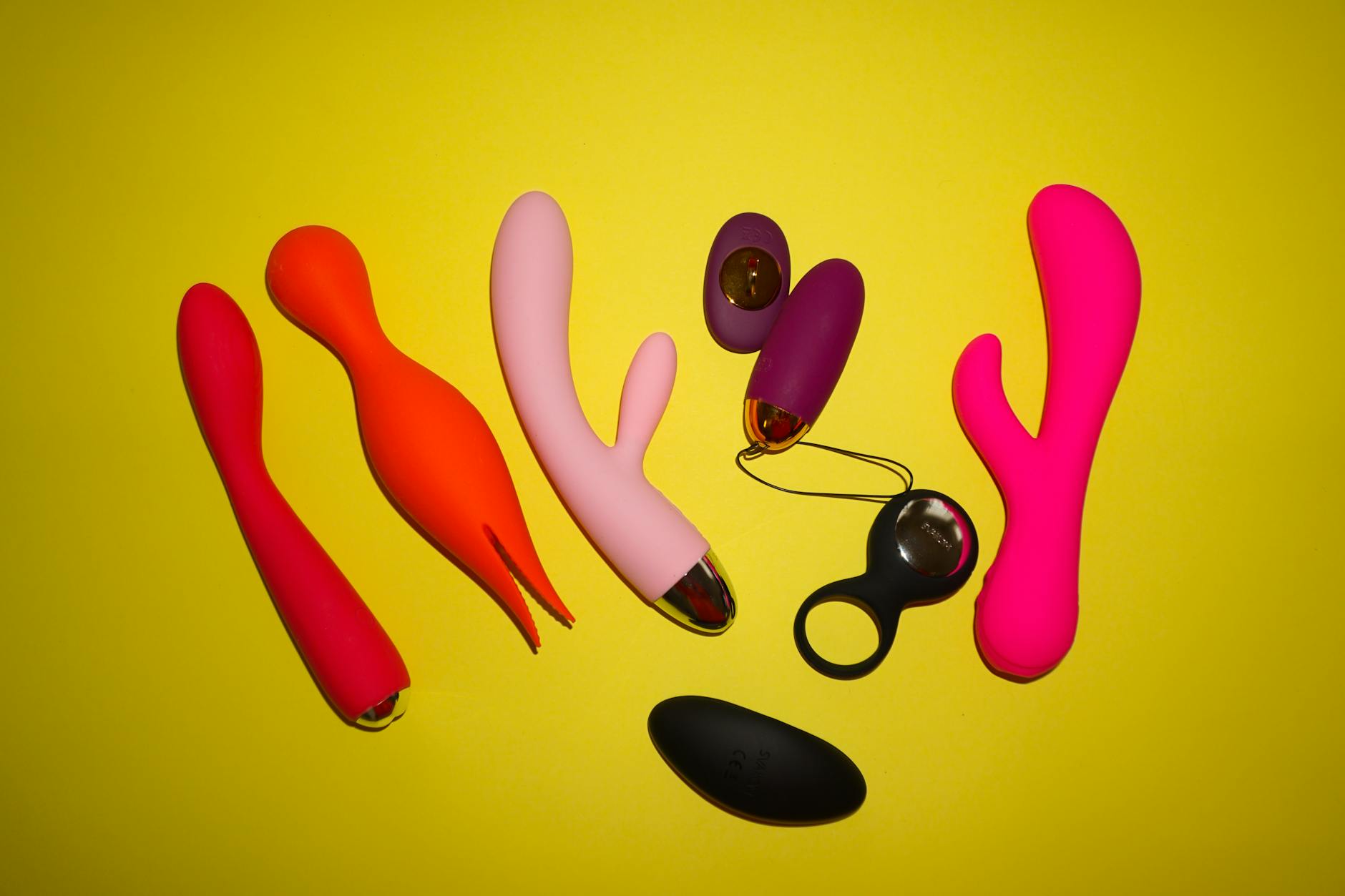
How to Use Lemon Vibrators When You Feel Disconnected From Your Body
Body disconnection is one of the most common pleasure killers I see in my practice, and almost nobody talks about it. You might describe it as feeling numb, floating above yourself during sex, or like your body belongs to someone else. Your brain is somewhere else entirely. Pleasure can't happen in that state because pleasure requires presence.
The good news? Presence is a skill you can rebuild. And Lem clitoral vibrators are one of the most effective tools for that rebuilding because they work with your nervous system, not against it.
Let me walk you through why disconnection happens, what it blocks, and the exact protocol that helps people reconnect.
Why disconnection happens in the first place
Body dissociation isn't a single thing. It's your nervous system's response to perceived threat. That threat could be past trauma, current anxiety, chronic stress, or even just years of ignoring your body's signals.
When your nervous system decides your body isn't safe, it pulls your attention away from it. Your consciousness floats up into your head. You might feel like you're watching yourself from above, or like your limbs are made of rubber. Sex becomes something happening to your body while you're observing from a distance.
This is actually an adaptive response. Your body is trying to protect you. The problem is that protection mode and pleasure mode are incompatible. You can't orgasm when you're dissociated because orgasm requires full nervous system engagement.
The sensate focus approach with a Lem vibrator
Sensate focus is a decades-old protocol used by sex therapists specifically for reconnection. The core principle is simple: you use a tool to bring conscious attention back to physical sensation without the pressure of "performing" pleasure.
Here's how it works with a lemon clitoral vibrator:
Start in the lowest setting. On a Lem vibrator, that's pattern 1 or 2. You're not aiming for orgasm. You're aiming for sensation. That distinction is everything. Many people with dissociation sabotage their own reconnection by treating the Lem vibrator like a tool to "fix" the problem faster. It's not. It's a device for retraining your nervous system to notice what's happening in your body.
Apply it to non-arousing zones first. Touch your inner arm, your collarbone, the inside of your wrist with the vibrator. Your goal is to notice texture, temperature, vibration intensity, and your brain's response. This sounds boring. It's supposed to. Boredom keeps the pressure off.
Notice what you're thinking. This is the invisible part. As you run the Lem vibrator over your skin, what's your internal dialogue? Are you mentally checking email? Critiquing your body? Planning dinner? Name it. That's not failure. Noticing where your mind goes is the point. You're building the muscle of redirecting attention.
When your brain wanders, gently bring it back. Don't fight yourself. Dissociation won't heal through force. Instead, each time you notice your mind has left your body, guide it back with kindness. "Okay, I'm here now. What does this vibration feel like on my skin?"
Moving toward genital sensation
After 3-5 days of sensate focus work on non-genital areas, you can move the Lem vibrator to your inner thighs, outer labia, and perineum. Still low settings. Still no goal of orgasm.
Many people feel guilt here. They think they "should" be aroused by now. You won't be, and that's correct. Arousal is downstream of presence. If you're not present, you won't be aroused, no matter how stimulated you are.
The Lem vibrator's suction design is helpful here because it works differently than traditional vibrators. It stimulates through gentle suction rather than direct pressure, which means it doesn't require the same level of tissue sensitivity to create sensation. For people with dissociation, this gentler mechanism can feel less overwhelming and more approachable than a traditional clitoral vibrator.
Stay here for another week if you need to. Reconnection takes time. Your nervous system learned to leave your body for a reason. It won't trust that it's safe to come back overnight.
When gentle arousal appears
At some point, often unexpectedly, you'll notice warmth. Or your vulva will feel heavier. Or your attention will spontaneously stick to the sensation instead of floating away. These are signs that your parasympathetic nervous system is coming online.
When this happens, you can increase the Lem vibrator to pattern 3 or 4. Still not chasing orgasm. Just following the sensation that's already there.
This is crucial: if arousal disappears, that's not failure. It means your nervous system needed to pump the brakes. Go back to pattern 1. Keep rebuilding the trust.
The role of breathing and grounding
Sensate focus plus physical techniques doubles the reconnection speed. As you use the Lem vibrator, anchor yourself with your breath.
Try this: as you apply the vibrator, breathe in for 4 counts, hold for 4, exhale for 6. The longer exhale activates your parasympathetic nervous system (your calm-down system), which is the only system where pleasure can happen.
Ground yourself physically too. Press your feet into the floor. Notice the texture of your sheets. Feel your spine against the bed. Your brain can't be in two places at once. When you anchor to present-moment sensation, dissociation loses its grip.
Timing and environment matter
Don't practice reconnection when you're stressed, rushed, or in an environment that doesn't feel safe. Your nervous system reads the room. If there's a chance you'll be interrupted, or if you're using the Lem vibrator in a space where you feel watched or unsafe, your body will dissociate harder as a protective measure.
Instead, choose a time when you have 20-30 uninterrupted minutes. Lock the door. Silence your phone. Tell your partner you need solo time. Your nervous system needs to know it can relax.
When to bring a partner back in
Once you've rebuilt solo sensation and can stay present with the Lem vibrator for 10-15 minutes without drifting, you can begin partnered work. Start the same way you started solo: non-genital touch, low pressure, presence-focused.
The biggest mistake couples make is jumping straight to intercourse or partnered orgasm. That's too much pressure for a nervous system still learning to trust the body. Go slow. Let your partner know this is about reconnection, not performance.
Many people find that sharing the experience of the lemon clitoral vibrator with their partner feels less loaded than traditional partnered sex. Because the focus is explicitly on sensation and presence rather than arousal or orgasm, the pressure evaporates. Your partner can watch, participate in applying the vibrator, or simply be present. No performance required.
What to expect in the first month
Week one, you'll notice your mind wanders constantly. That's normal.
Week two, you might feel frustrated that you're "not progressing." You are. You're building neural pathways back into your body. That's invisible work.
Week three, moments of genuine present-moment sensation will appear. Brief. Then gone. They'll expand.
Week four, you'll notice arousal showing up in unexpected moments. Your body is beginning to believe it's safe again.
Dissociation took time to build. Reconnection takes time to rebuild. The Lem vibrator accelerates the process, but there's no shortcut through the nervous system's trust-building timeline.
When professional support helps
If dissociation is tied to trauma, a somatic therapist can speed the process considerably. EMDR, somatic experiencing, or nervous system-informed therapy alongside your sensate focus work creates real momentum.
If you're using antidepressants or anti-anxiety medications, check in with your prescriber about timing. Some people find body reconnection work is easier when medications are stable. Others find certain times of day work better.
Your pleasure matters. Your presence matters. Rebuilding that connection isn't self-indulgent. It's the foundation for everything else.
People also ask
How long does it take to reconnect with your body using sensate focus?
Most people notice meaningful changes in presence and sensation within 2-4 weeks of consistent practice, though full reconnection often takes 2-3 months. The timeline depends on how long dissociation has been happening and what caused it. Someone dissociating due to current stress might reconnect in weeks. Someone healing from trauma might need months. Both are normal. The key is consistency, not speed. Even 15 minutes three times a week builds momentum.
Can you have an orgasm when you're dissociated?
Technically yes, but it's often hollow. You might experience the physical reflex without the pleasure or emotional satisfaction. This is why many people with dissociation describe orgasms as "fake" or unsatisfying. True pleasure requires presence. That's why sensate focus comes before pushing for orgasm. Once you've rebuilt the foundation of presence, orgasms become real again.
Is dissociation the same as low libido?
No. Low libido is reduced desire. Dissociation is disconnection from your body while desire might be intact. You can have strong desire but feel numb when touching your body. Or you can be fully present but have low desire. The approaches are different. If you're dissociated, reconnection comes first. If you have low desire without dissociation, other strategies apply. Understanding which one you're dealing with matters.
What if you don't feel anything even with the Lem vibrator on the lowest setting?
That's information, not failure. It means your nervous system needs more time to trust that it's safe to feel. Go slower. Spend more time on non-genital sensation. Some people benefit from combining sensate focus with therapy, grounding exercises, or even gentle movement like walking or stretching before their practice session. Don't push. Your body will signal when it's ready.
Can you reconnect with your body if you're using medications that numb sensation?
Yes, though it takes longer. If medications are affecting your sensation, sensate focus still works because you're retraining neural pathways, not just chasing physical sensation. The presence and nervous system regulation parts of the work happen regardless. Talk to your prescriber about whether adjusting dosage or timing might help, but don't stop medications without guidance. Reconnection can happen alongside pharmaceutical limitations.
Should you use a lemon vibrator or a traditional vibrator for dissociation work?
The Lem vibrator's suction mechanism is gentler and less direct than traditional bullet vibrators, which makes it excellent for dissociation work. Because it doesn't require intense surface sensitivity, it's easier to feel sensation even when you're numb. The softer stimulation also tends to feel less "demanding," which helps nervous systems that are already defensive. That said, any clitoral vibrator can work. The tool matters less than the protocol. What matters is consistency and presence.
Your body is waiting to reconnect
Dissociation is your nervous system's way of saying it didn't feel safe. Reconnection is the process of proving it wrong. The Lem vibrator is a translator between your conscious mind and your body's wisdom. Use it gently. Use it consistently. Let your nervous system decide the pace.
Presence is pleasure. And presence is something you can rebuild, one sensation at a time. If you'd like personalized guidance on reconnection work or have questions about what might be blocking your presence, reach out. That's what we're here for.
Your pleasure deserves your presence. And your presence is something you can reclaim.