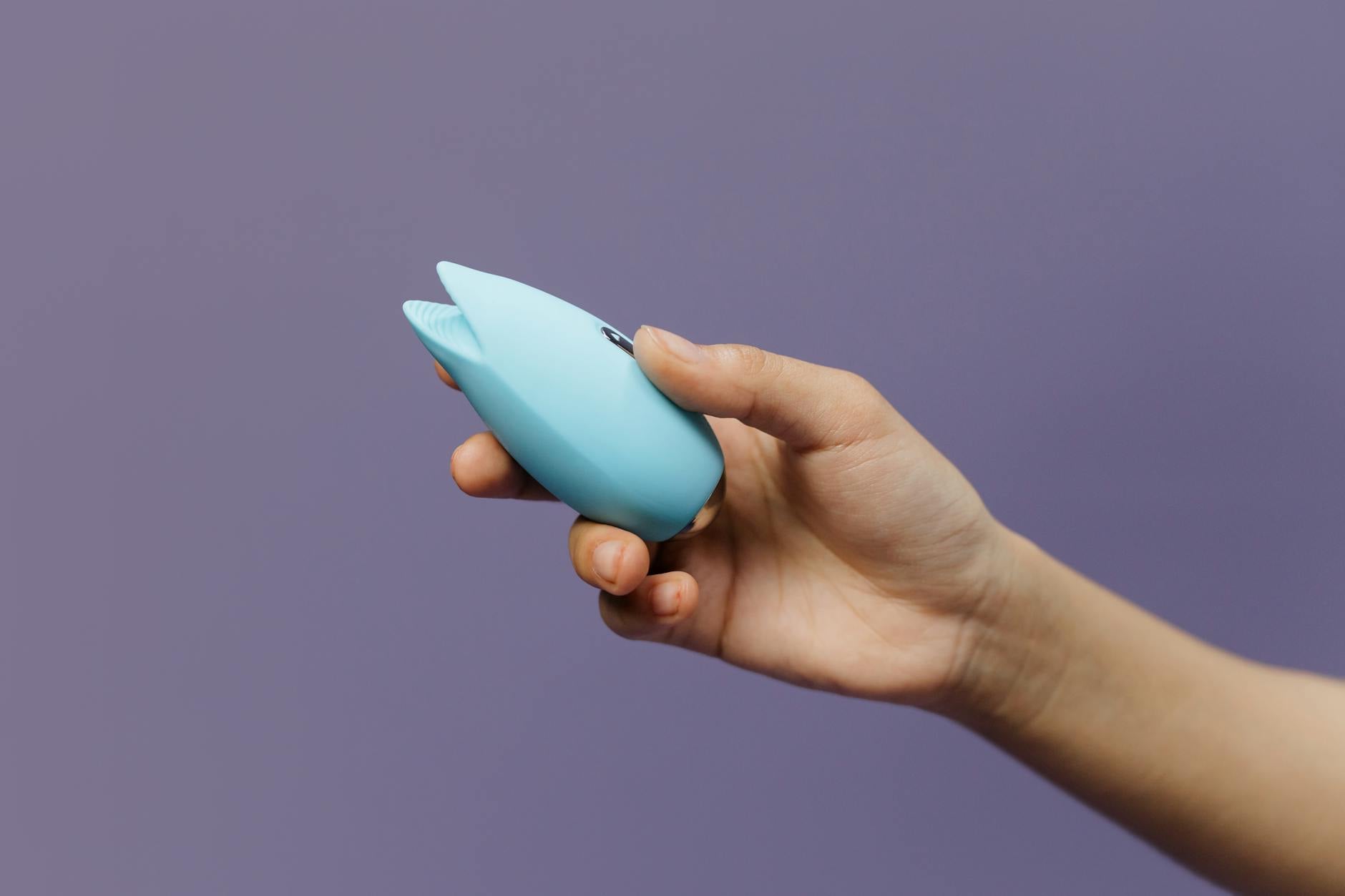
Let's get the fear out of the way first
You're worried that bringing up a lemon vibrator will make your new partner think one of three things. That you're bored with them. That you don't think they're enough. That something is wrong with you. None of those are true, and the fear of being misunderstood is the only real obstacle to having this conversation.
Here's what actually happens when you introduce toys thoughtfully in a new relationship. Connection deepens. Communication gets easier. Both of you feel less alone with your desires.
Why the timing matters more than you think
Introducing a lemon clitoral vibrator too early signals that you're prioritizing novelty over the person in front of you. Too late, and it can feel like a rejection of everything you've already built. The sweet spot is usually 3-6 months in, when you've established some sexual rhythm together but you're still in the phase where vulnerability feels possible.
You'll know it's right when conversations about sex feel natural. If you can talk about what you like, what you've tried, or what you're curious about without it feeling performative, the ground is ready.
There's also a physical signal. Early sex is often about novelty and chemistry creating heat fast. By month three or four, if things are going well, that initial rush settles into something more intentional. You start paying attention to actual pleasure instead of just the thrill of someone new. That shift is exactly when a toy can amplify what's already working instead of feeling like a replacement.
The conversation architecture that actually works
Don't lead with the toy. Lead with yourself.
Frame it as information about what you enjoy, not as a request for your partner to do something differently. The opening I've seen work most reliably sounds like this: "I've been thinking about something, and I want to be honest with you about it because I like where this is going. I really enjoy exploring pleasure, and I've used toys on my own for a while. I'd love to try that together sometime, if you're open to it."
Notice what that does. It centers your pleasure, not your partner's performance. It acknowledges they haven't disappointed you. It expresses openness without pressure.
Your partner might say "Tell me more" or "I'm not sure how I feel about that" or "Yeah, let's try it." All three are normal. If they go quiet or defensive, that's information too. It doesn't mean no forever. It usually means they need time to process.
The biggest mistake people make is overselling at this stage. You don't need to explain why toys are good or cite studies about clitoral stimulation or describe the Lem Vibrator like you're pitching it to investors. You're just saying this is part of how you experience pleasure, and you'd like to share it.
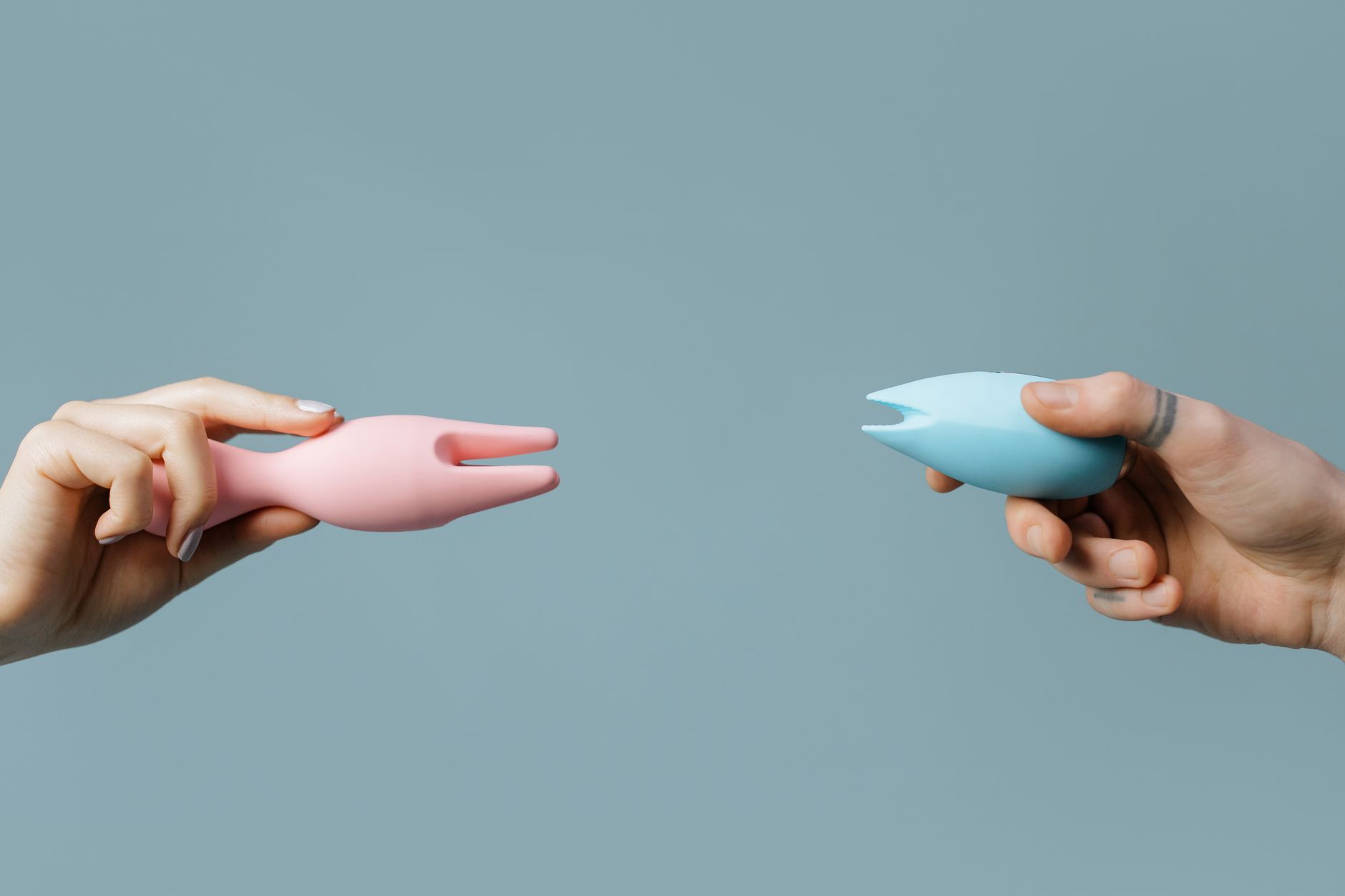
Photo by cottonbro studio on Pexels
If they seem hesitant (which is common)
Hesitation usually isn't a hard no. It's usually one of three things: curiosity about why you want this, worry that they won't be enough, or genuine discomfort that needs respecting.
For curiosity, be honest. Maybe you want stronger sensation. Maybe you're curious about something you've never tried. Maybe you just like the way it feels and you want them to see you experience that. None of those require you to fault-find your partner's performance.
For the "am I enough" anxiety, this is where reassurance actually matters. The truth is most people don't view a toy as replacement of partner sex. Research on relationships and sex toys shows couples who use them together report higher satisfaction and stronger emotional connection. It's an addition, not a substitution.
For genuine discomfort, you have to respect it. That doesn't mean giving up forever. It means understanding what the actual concern is. Some people worry toys will become a crutch. Some worry it means their partner has desires they can't fulfill. Some come from backgrounds where they learned pleasure was shameful. None of those are solved by pushing. They're solved by patience and sometimes professional conversation with someone like a relationship therapist.
The first-time logistics that reduce awkwardness
When they're ready to try, don't make it a whole production. Integrate it naturally into sex you're already having.
Start solo. Use your lemon vibrator the way you normally would, and let them watch if they're comfortable. Lots of partners find this moment actually quite hot. You're not performing. You're just experiencing pleasure they get to witness. That's intimate in a different way than partnered sex.
Then offer to use it together. Maybe they use it on you. Maybe you do. Maybe they're not ready to touch it yet, but they want to be nearby while you do. All of those are fine starting points.
The conversation during this first time should be minimal. Let the experience speak. Afterward, when you're not in the middle of it, you can check in. "That felt good, I liked that" or "I want to try something different next time" or "I loved having you here for that." Simple, direct, present-tense.
One thing I always tell people. If it feels weird or awkward the first time, that's completely normal. You're doing something new. Your brain is probably also running a background anxiety check. Give it two or three times before deciding whether it's actually weird or just new.
What you're actually building here
When you invite your partner into your pleasure in this way, you're modeling vulnerability. You're saying "this matters to me, and I trust you with it." That builds real intimacy in a way that's deeper than the act itself.
People who use lemon clitoral vibrators together report something interesting. It's not that the sex necessarily becomes more intense. It's that they feel less alone inside their own pleasure. Their partner is witnessing them at full intensity, choosing to stay, choosing to participate.
For a new relationship, that's gold. You're establishing early that you can be honest about what you want. That you won't shame each other for desire. That you can explore together without judgment.
If they say yes and then never bring it up again
That's normal too. Some partners enjoy toys in the moment but don't think to initiate them. That doesn't mean they hated it. It might just mean you're the one who'll stay curious about that part of your shared sexuality. That's fine.
You can always say, "I'd love to do that again sometime." You don't need permission to ask for what you enjoyed. Just like any other part of sex, it's something you can request without it being weird.
When to call in outside help
If your partner is consistently hostile about toys, or if they interpret your interest as rejection no matter how many times you clarify, that might be worth exploring with a therapist together. Not because they're wrong or you're wrong, but because the conversation is stuck and you need a neutral person to help unstick it.
Sometimes people carry baggage about sex and pleasure that shows up as resistance to toys. Sometimes people use that resistance to avoid intimacy. A good couples therapist can help distinguish between those.
The long game
Introducing a lemon vibrator in a new relationship is actually about introducing a conversation. The conversation about what you want, what you're curious about, what makes you feel good. That conversation, once it's open, changes everything. It means you can ask for what you need without shame. It means your partner can too.
So yes, have the talk. Offer the toy. Be patient with their reaction. And trust that vulnerability, when it's met with openness, is exactly what new relationships need to become real ones.