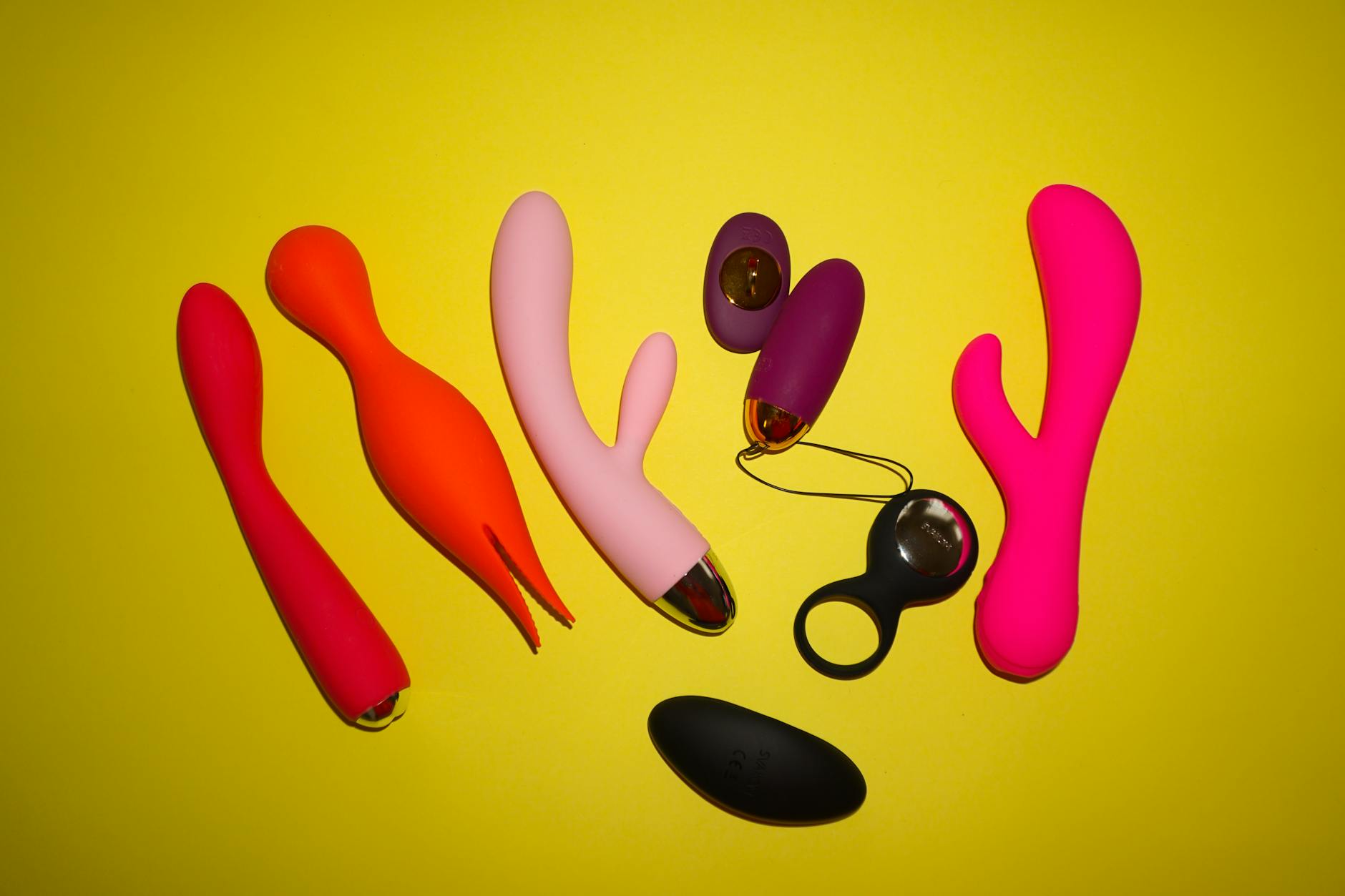
Here's the thing about couples and clitoral vibrators
Lots of people think introducing a lemon vibrator during partnered sex means admitting that penetration alone isn't enough. It's not. But here's what's actually true: most people with vulvas need clitoral stimulation to orgasm, and most penetrative sex doesn't provide it naturally. Adding a lemon clitoral vibrator isn't a workaround. It's the thing that makes the experience work for both of you.
The anxiety around it is real, though. Partners worry they're being replaced. People with vulvas worry they'll look needy. Both sides end up in this weird silence where nobody says what they actually want, and sex becomes this tense negotiation nobody won. This guide cuts through that.
Why lemon vibrators work better for couples than you'd think
The design matters here. Clitoral vibrators like the Lem use suction and gentle pulses instead of harsh vibration. That means they don't overstimulate quickly, which gives your partner time to be involved. You're not disappearing into your own world. You're still present, still connected, still responsive to them. The toy becomes a bridge, not a barrier.
The size also helps. A clitoral vibrator is small enough that penetration and stimulation can happen simultaneously without anybody having to contort into an impossible angle. If you're using a wand vibrator or a bullet, positioning gets awkward fast. The Lem's design keeps you both comfortable and present.
Think of it this way: if you've been having sex for years where one partner orgasms easily and the other doesn't, you've both adapted to that. You've learned workarounds, developed strategies, maybe stopped expecting certain things. Adding a lemon sexual toy isn't changing your dynamic. It's finally letting the dynamic work the way it was supposed to in the first place.
The conversation you actually need to have
Don't lead with "I want to use a vibrator." Lead with what you want from the experience. "I want us to have sex where I can actually come" is a different conversation than "I think we need toys." One is about desire. One sounds like criticism. Start there.
If your partner brings it up first, don't default to "sure, whatever you want." That's deflection. Have an actual opinion. Are you curious? Nervous? Excited? Say it. The conversation isn't a negotiation where one person wins. It's you both trying to figure out how to make something feel good for both of you.
Ask specific questions. "Where do you want the vibrator positioned?" "Do you want to hold it, or do I?" "Does the sound bother you?" These aren't awkward. They're the opposite. They show you're thinking about their experience too, not just your own pleasure.
And be honest about concerns. If you're worried about performance, say it. If you're nervous about hygiene or logistics, ask. The people who end up resentful about toys are the ones who pretended to be fine and then weren't. Don't be that person.
Where to position everything so it actually works
Positioning is the invisible part of this equation. If the vibrator is in the wrong spot, the whole experience collapses. You're tense, your partner is confused, nobody's having fun.
If you're doing face-to-face penetration (missionary, you on top, whatever): The vibrator goes on the pubic mound, above the clitoris, angled downward. Your partner can absolutely still move inside you. You're not sacrificing penetration. You're adding stimulation that actually hits where you need it. Your partner might need to angle their hips slightly differently, but that adjustment takes thirty seconds to figure out.
If you're doing penetration from behind: The vibrator goes in front of you, held by whoever has hands free (usually you). Your partner can feel it through your body. It takes a second to get used to, but most people find it intensifies the experience for both of them. You're not hidden. You're still connected.
If you're doing side-by-side or anything else: The principle stays the same. The clitoral vibrator stimulates the external area. Penetration happens separately. They're not competing. They're complementary.
Practice this once without penetration first. Seriously. Use the Lem, figure out what pattern feels best, what pressure works, how your partner can touch you while you're using it. Then add penetration in. You'll both have way less anxiety because you've already solved half the puzzle.
What patterns and speeds actually work during partnered sex
When you're alone with a lemon clitoral vibrator, you can take your time. You can explore. With a partner inside you, timing matters more. You want something that builds gradually without overwhelming you or making you lose focus.
Start with pattern 1 or 2 on the Lem. These are gentle pulses. If you go straight to pattern 5 or 6, you'll either orgasm so fast you haven't really connected with your partner, or you'll overstimulate and need to stop. Neither is ideal.
Use the lower intensity while your partner is moving. Your bodies are already creating sensation. The vibrator isn't meant to carry the entire load. It's meant to add the missing piece. This is also why lemon sexual toys work better than some alternatives. They don't demand constant adjustment. Once you find the right pattern, it just works.
Communicate as you go. "That's good" or "a little higher" or "more pressure" aren't dirty talk. They're useful information. Your partner wants to know this stuff. It makes them feel competent and involved, which usually makes the whole experience better for both of you.
The logistics nobody talks about
Battery life matters more than you'd think. The Lem gets about two hours per charge. If your sessions are usually shorter than that, fine. If they're longer, charge it beforehand. Nothing kills momentum like "oh, the batteries are dying."
Lubrication. If you're using a water-based lube (which you should be), the toy doesn't slip around. That's good. Silicone lube can damage some toy materials, so check first. But water-based is compatible with everything. Use enough that the vibrator isn't fighting friction. Your partner will actually feel this. Good lubrication makes the whole experience gentler and more connected.
Cleanup. Wash the vibrator before and after use with warm water and mild soap. It takes forty-five seconds. Do it together if that feels intimate. It's not unsexy. It's the opposite. It shows care about the experience and about each other.
Sound. The Lem is quieter than a lot of clitoral vibrators, but it's not silent. If you live with other people or privacy is an issue, this matters. Use it during daytime when there's ambient noise. Or just accept it and move on. Most long-term partners stop noticing the sound after three uses.
What happens if one of you feels weird about it
Sometimes you introduce a lemon vibrator and one person feels genuinely uncomfortable. This isn't failure. This is data.
If your partner feels weird: Don't use it that session. Come back to the conversation later. Ask what specifically bothered them. "Was it the idea of the toy, or the feeling?" "Did it feel impersonal?" "Are you worried I'm not attracted to you anymore?" The answer is usually the last one, even if they don't say it directly. Reassure them. Use the toy while making eye contact. Use it during foreplay where you're still kissing and touching. Show them that the vibrator is about both of you, not a replacement.
If you feel weird: Same thing. Say it. Don't just go quiet and pretend. Your partner can't read your mind. They'll assume you're fine and then resent you later for being weird about it. That's on you. Use your words.
Sometimes the weirdness goes away once you actually use it. Sometimes it doesn't. Both are fine. If your partner never wants to use a toy during sex and you do, you have to decide if that's a dealbreaker or a compromise. Don't let resentment build while you pretend it's fine.
Rhythm and connection during partnered stimulation
One of the biggest adjustments is learning a new rhythm together. If you're used to sex where penetration is the main event, adding clitoral stimulation changes the pace. Expect that.
With a lemon clitoral vibrator, you'll probably orgasm faster. That's the whole point. Your partner might need to adjust their tempo or intensity. This is a normal negotiation. "Slower" or "I'm getting close" are useful phrases here.
Some people worry about the afterglow being awkward. It's not. After you orgasm, you might want the toy off immediately, or you might want a few more pulses. Your partner might want to keep moving or might want to stop and hold you. None of this is weird. It's just logistics.
The thing that actually builds connection isn't perfectly synchronized orgasms or Instagram-worthy positioning. It's you both being honest about what feels good and making adjustments without resentment. A lemon vibrator, honestly, makes that easier because you're actively problem-solving together instead of pretending everything is already perfect.
FAQ: Partners and clitoral vibrators
Can you use a clitoral vibrator during every kind of penetrative sex?
Most positions work. Missionary, you on top, from behind, side-by-side. The vibrator positioning changes slightly, but the principle is the same. Some positions are genuinely harder (like standing up), but not impossible. Try a few and see what feels natural. Your body will tell you.
What if the vibrator makes my partner feel less needed?
This is the question nobody asks but everyone worries about. The answer: it doesn't have to. If your partner holds the vibrator, or guides it, or stimulates you in other ways while you're using it, they're completely involved. They're not watching you pleasure yourself. They're participating. Frame it that way from the start.
How do you know if you're using it "wrong" during partnered sex?
If someone's uncomfortable, in pain, or genuinely not enjoying it, something's wrong. But there's no "wrong" way to do this. If it feels good and you're both consenting, you're doing it right. Awkwardness the first time is normal. Consistent discomfort or resentment means you need to talk.
Should you introduce a vibrator during a particularly intimate or important session?
No. Do it during regular sex when stakes feel low. You want to experiment without the pressure of it having to be Perfect and Meaningful. Use it during an ordinary Tuesday night when you're both relaxed. Once you've done it a few times, the novelty wears off and it becomes just part of your toolkit.
What if you want to use the vibrator but your partner isn't interested in being involved?
You can absolutely use a lemon vibrator during partnered sex even if they're not doing anything with it. They can focus on their own pleasure, and you focus on yours. You're still in the same bed, still physically intimate. That's enough.
How do you transition back to sex without a vibrator after you've used one?
You just do. Some sessions you use it. Some you don't. Both are fine. The goal isn't to become dependent on the toy. It's to have options. If you find yourself never wanting sex without it, that's a conversation. If you're just adding it sometimes, that's normal variation.
The bottom line
Introducing a lemon vibrator into partnered sex doesn't change your relationship or make you less compatible. It actually reveals how compatible you are. The couples who navigate this honestly and without shame tend to have better communication about everything else too.
Your pleasure matters. Your partner's pleasure matters. A lemon clitoral vibrator isn't a workaround or a compromise. It's a tool that lets both of those things be true at the same time.
If you're thinking about trying this, start with the conversation. Be specific. Be honest. Then figure out the logistics together. You might feel awkward for the first five minutes. Then you'll probably feel a lot of other things that matter more.
Ready to explore? We're here if you have questions. Get in touch with us.