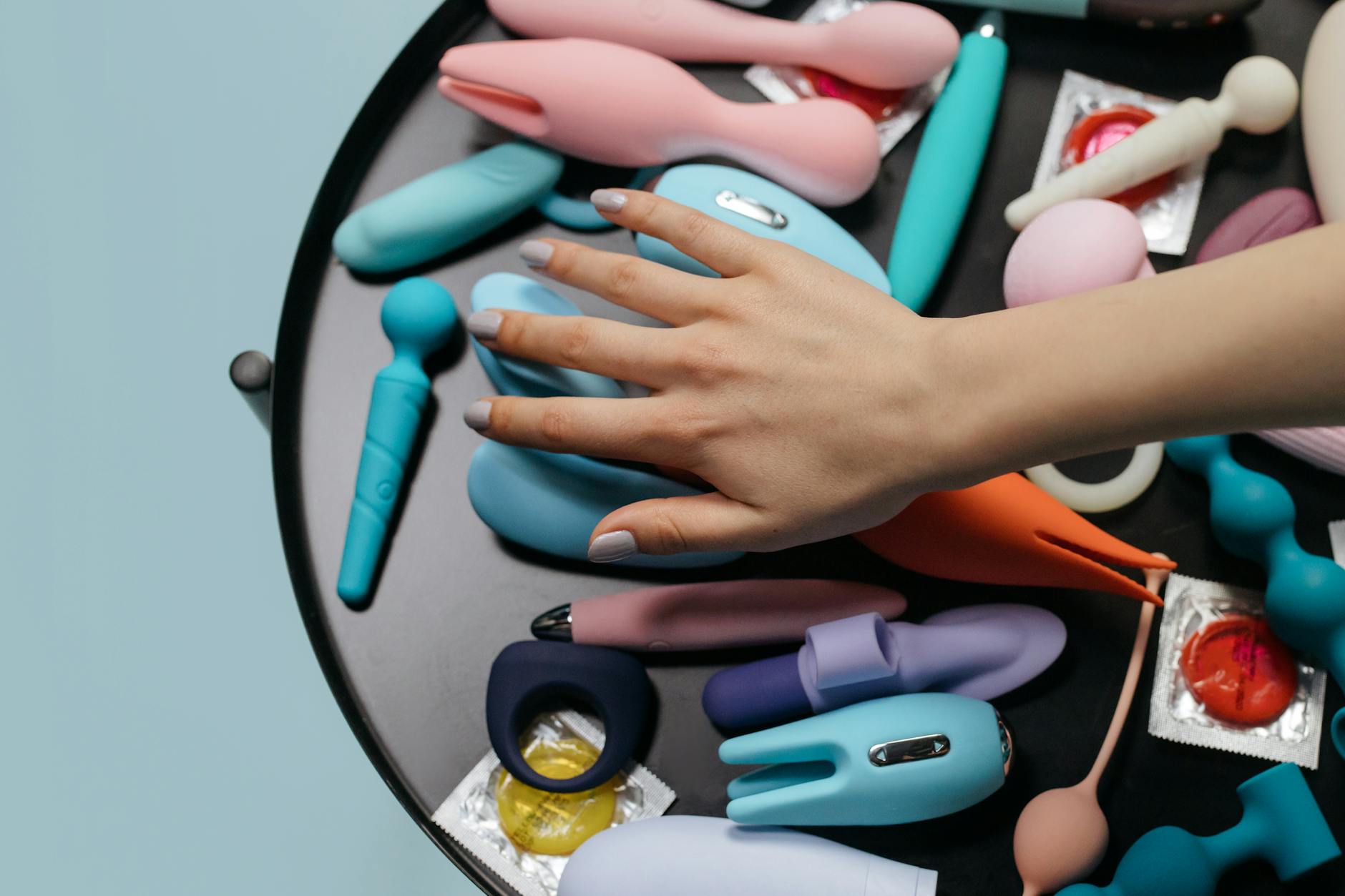
Here's the thing about losing touch with your body
You don't wake up one morning unable to feel anything. It happens in layers. First, you stop noticing what food tastes like. Then you forget when you last felt the sun on your skin. Eventually, pleasure feels like someone else's word for something that doesn't apply to you anymore. If that's your life right now, you're not broken. Your nervous system did exactly what it was designed to do. It protected you by turning down the volume.
But protection and numbness aren't the same thing, and staying numb isn't living.
What dissociation and chronic disconnection actually do
When your body is responding to ongoing stress, trauma, or even just the slow grind of life on high alert, the nervous system downregulates sensation as a survival strategy. Your brain essentially says, "If we can't make it safe, we can at least make you stop feeling how unsafe it is." That's not weakness. That's architecture.
The problem is that once dissociation becomes your default, it doesn't just mute pain. It mutes pleasure too. You're not choosing numbness anymore. It's chosen you, and the neural pathways that light up pleasure have gotten dusty from disuse.
This is where a lot of people get stuck. They think the answer is to force themselves to feel, or to wait until they heal completely before exploring pleasure again. Neither works. Healing happens through gentle, repeated practice of sensation. And that's exactly what lemon clitoral vibrators are designed to support.
Why lemon vibrators work differently for reconnection
Most vibrators use direct vibration, which requires a certain amount of existing nerve responsiveness to register. If you're numb, they can feel like nothing, or worse, irritating. That failure reinforces the belief that your body is broken.
Lemon vibrators use air-suction technology, which works differently. Instead of hammering nerves with vibration, suction creates a gentle, pulsing stimulation that engages a broader field of tissue. For someone rebuilding sensation, this matters enormously. You're not forcing your numb nerves to wake up. You're creating an environment where sensation can gradually re-emerge.
The sensation of suction is also uniquely grounding. It's rhythmic, contained, and responsive to your body in real-time. Many people reconnecting with their bodies report that this quality alone helps them stay present rather than drifting back into dissociation.
Start with observation, not expectation
Before you use a lemon vibrator, spend time just noticing your body without judgment. Where do you feel numb? Is it everywhere, or concentrated in certain zones? Do you feel more present at certain times of day?
This isn't therapy. It's data collection. Understanding your current baseline helps you spot small shifts without needing them to be dramatic to count.
When you're ready to introduce a lemon sucker, start on the lowest setting. You're not chasing orgasm. You're chasing sensation. Use it for three to five minutes, a few times a week. The goal is consistency and gentleness, not intensity.
Many people in reconnection mode report that they don't feel much the first week or two. That's normal. Your nervous system needs time to recognize that it's safe to respond. You're essentially teaching your brain that sensation is allowed.
The role of context and safety
Your environment matters enormously when you're rebuilding body awareness. You need privacy, yes, but also comfort. Soft lighting, a blanket you like, no time pressure. If you have a partner, their absence might actually help the first few times. This is about you and your body learning to talk again, not performing for anyone else.
Tempo matters too. Don't rush through foreplay or warm-up. Spend fifteen to twenty minutes noticing your whole body before you touch yourself with a vibrator. Run your hands over your arms, your belly, your thighs. Temperature changes. Different pressures. This primes your nervous system to recognize stimulation as something desirable, not threatening.
The patience piece (which is the hardest part)
If you're reconnecting after dissociation, your first orgasm back won't feel like other orgasms. It might feel small. Quiet. Almost anticlimactic. That's okay. What you're celebrating isn't intensity. It's a signal from your body that sensation is possible again.
Many people find that the reconnection process takes weeks or months. You might have sessions where you feel almost everything, then sessions where the numbness returns. That's not failure. That's the nervous system testing whether the environment is still safe. Keep showing up.
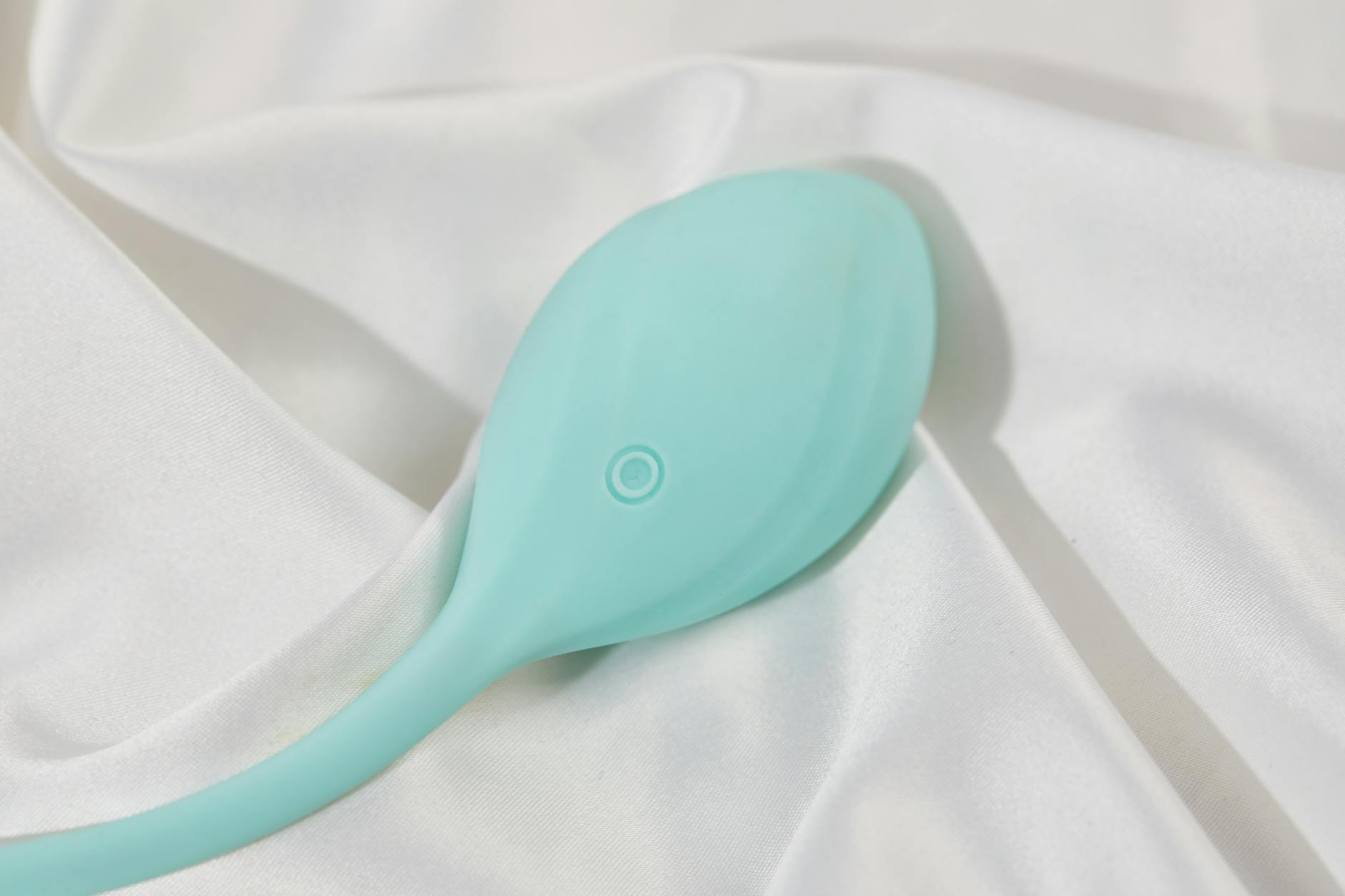
Photo by IFONNX Toys on Pexels
When to involve a partner in your reconnection
If you're in a relationship, at some point your partner will want to be part of your sexual reconnection. That conversation needs to happen separately from the physical experience. Your partner should understand that this isn't about their pleasure or performance. It's about you rebuilding a relationship with your own body, with them as a witness and support.
Set clear boundaries. Maybe that means they're present but not touching you initially. Maybe it means they leave the room. Maybe it means you use a lemon vibrator together, but the focus stays on your sensation, not theirs.
The best partners understand that helping you reconnect with your body is far more intimate than any particular sex act. This is deep trust work.
Pairing lemon vibrators with other grounding tools
Sensation comeback isn't just about sex. Breathing exercises, cold water on your face, temperature contrast, music you actually like. All of these help your nervous system practice the idea that sensation is safe and worth paying attention to.
Some people find that using a lemon clitoral vibrator in combination with a body scan meditation helps. Five minutes of noticing every part of your body, then using the vibrator in a specific zone. Others pair it with progressive muscle relaxation. You're looking for whatever combination helps your nervous system believe that you're genuinely safe.
When sensation starts coming back (and what comes with it)
One thing people don't always expect: reconnecting with pleasure can also reconnect you with grief, anger, or sadness that got numbed along with the good stuff. That's not a sign that something went wrong. It's a sign that your nervous system is waking up to the full range of human feeling again.
If intense emotions come up during or after using a lemon vibrator, that's worth sitting with. Maybe journal about it. Maybe take a break for a few days. Your body is processing. Let it.
Rebuilding happens at your pace
Every person's dissociation story is different. Every reconnection timeline is different. The one thing that's consistent is that forcing it doesn't work. Gentle, repeated, patient practice does. Using a lemon sucker or lemon clitoral vibrator is one tool in that toolkit, not the entire toolkit.
If you're carrying trauma or significant dissociation, working with a therapist alongside any physical reconnection practice is valuable. Your body and your mind need to heal together.
Your capacity for pleasure hasn't gone anywhere. It's just resting. And when you're ready to wake it up again, you deserve tools and information that support that with gentleness and intelligence.
FAQ
What's the difference between dissociation and just being stressed?
Stress is your body responding to a present threat. Dissociation is your nervous system disconnecting from your body as a protection mechanism, often from ongoing or past trauma. Stress is usually temporary. Dissociation is habitual. If you feel foggy, distant, or absent from your own life most of the time, that leans toward dissociation. Stress feels activated. Dissociation feels numb.
Can I use a lemon vibrator if I'm taking antidepressants?
Yes, though the medication itself might dull sensation temporarily. This is actually one reason lemon vibrators can help. Their broader-field stimulation sometimes gets through when direct vibration doesn't. That said, if your antidepressant is significantly muting pleasure, talk to your doctor about whether a dose adjustment or medication change makes sense. Pleasure matters, and there may be options you haven't explored yet.
How long does it actually take to reconnect with sensation?
There's no universal timeline. Some people feel shifts in sensation within a few weeks. Others take several months. The key variable isn't the vibrator or the practice. It's how safe your nervous system feels. Prioritize safety over frequency, and sensation will gradually return.
Is it normal if I don't orgasm the first time I use a lemon clitoral vibrator?
Completely normal. When you're reconnecting, orgasm isn't the goal. Sensation is. Many people find that orgasms come much later in the reconnection process, once they've rebuilt some baseline sensitivity. Chasing orgasm too early can actually backfire because it introduces performance pressure, which your nervous system reads as unsafe.
Can I use a lemon sucker while I'm in therapy for trauma?
Yes, and many therapists who work with trauma actually encourage gentle self-pleasure as part of nervous system healing, once you have basic coping skills in place. This is a great conversation to have with your therapist. They can help you think through timing and safety in a way that supports your specific healing process.
What should I do if using a lemon vibrator triggers a trauma response?
Stop immediately. Grounding techniques help: name five things you can see, four things you can touch, three things you can hear. Your body might not be ready yet, and that's not a failure. Give yourself time, maybe work with your therapist on building more capacity first, then try again when your nervous system feels more regulated. Healing isn't linear, and pushing past your window of tolerance doesn't accelerate it.
The actual work happens in the space between
Using a lemon vibrator is the easiest part of reconnection. The harder part is showing up regularly, without judgment, with the faith that your body is capable of pleasure again. Because it is. Every body is. Numbness is what you learned to do to survive. Feeling is what you're learning to do to live.