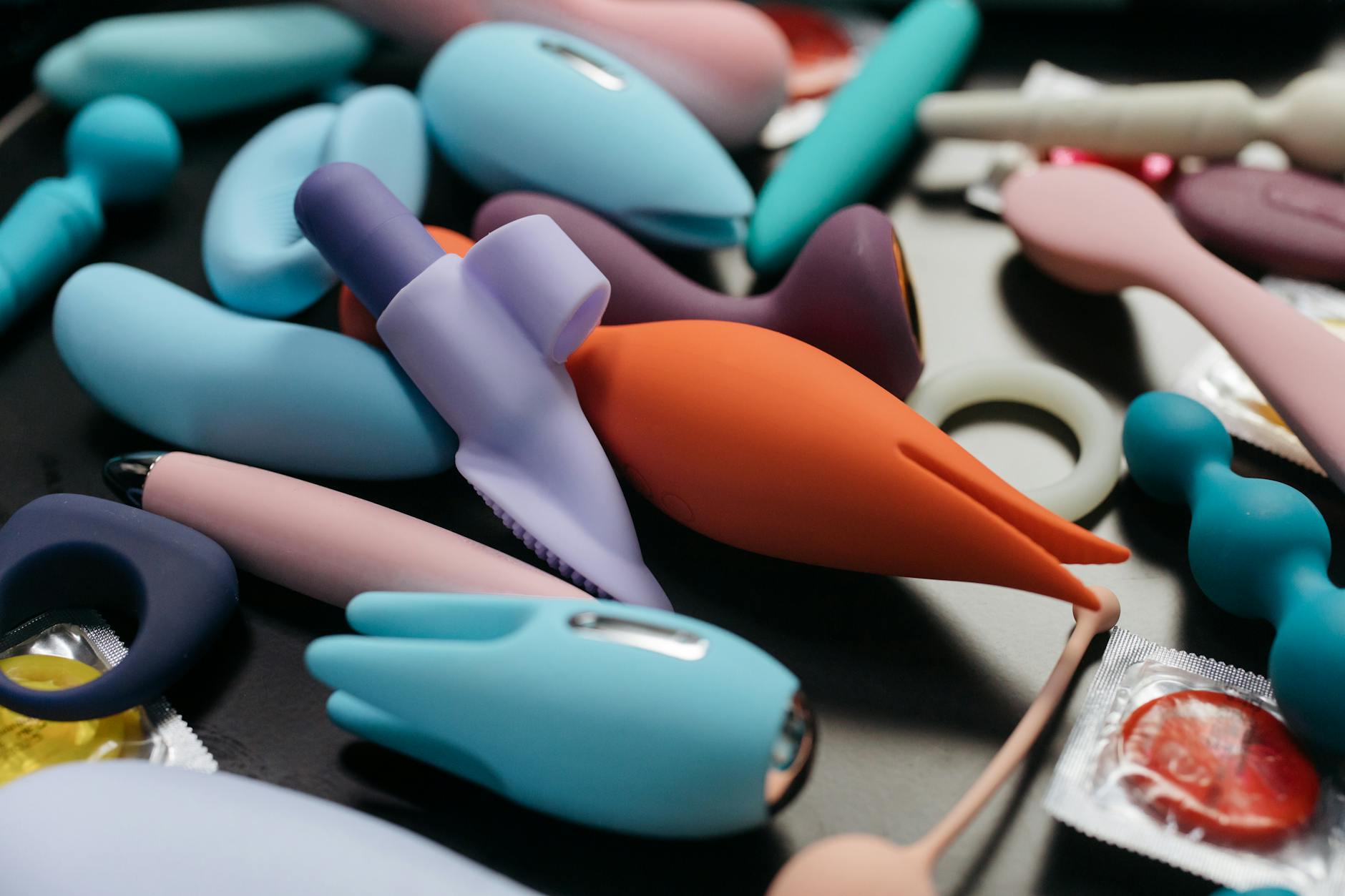
When your cycle changes, so does pleasure
Here's the thing: hormonal conditions don't just affect your period. They rewire how your body responds to touch, arousal, and stimulation. PCOS, endometriosis, fibroids, and thyroid changes all shift the game in ways nobody really talks about. And if you're used to vibrators that worked fine six months ago, suddenly nothing hits the same.
That's not a personal failure. It's physiology. And there's good news: lemon clitoral vibrators, with their unique suction-based design, actually adapt better to hormonal volatility than traditional vibrators do.
What hormonal conditions actually change
When you're managing PCOS, endometriosis, or similar conditions, your estrogen and androgen levels are unpredictable. This affects three core things:
First, tissue thickness and sensation. Lower estrogen makes the vulva less engorged, which sounds bad but can actually be good news for people with endometriosis or severe period pain. The trade-off is that sensation feels duller at first. Your clitoris still has all the same nerve endings, but the surrounding tissue isn't as plump, so direct pressure can feel less intense.
Second, arousal speed. Hormonal imbalances often mean slower build-up to arousal. You might need fifteen minutes instead of five. Or you might find that your brain gets there but your body lags behind.
Third, orgasm intensity and type. Some people with endometriosis report that penetration-adjacent sensation triggers pelvic pain, so clitoral-only stimulation becomes not just preferred but necessary. Others find that the usual patterns stop working and they need completely different rhythms.
Why lemon suction works when everything else feels weird
Traditional vibrators rely on repetitive mechanical vibration. If your tissues are inflamed (as they often are with endometriosis), or if your clitoral sensitivity is muted by hormonal fluctuations, that repetition can feel uncomfortable or numb.
Lemon clitoral vibrators use gentle suction instead. This is a game-changer for hormonal bodies because suction:
- Doesn't require the same tissue thickness. The suction creates sensation through pressure difference, not friction or impact. Even if your vulva is less engorged than usual, the suction still creates that distinctive draw that many people find more intense and focused than vibration.
- Works across your entire arousal range. On low settings, suction from a lemon vibrator feels like sustained pressure. Ramp up the intensity and you get pulsing suction that builds gradually instead of jolting. This gives you control that traditional vibrators often don't.
- Reduces localized pain responses. If you have endometriosis or pelvic floor tension, the sustained suction can actually help relax that area over time, rather than aggravating it like constant vibration might.
Adapting your routine to your cycle (or lack of one)
If you have PCOS, your cycle might be irregular or absent. If you have endometriosis, certain phases might be painful. The good news is you don't have to give up pleasure during those windows. You just change the approach.
During high-inflammation phases: Use your lemon vibrator on the lowest setting. The suction is still there, but gentler. Your nervous system is already in pain mode; you want stimulation that soothes rather than revs. Think of it as massage instead of excitement.
During hormonally stable phases: This is when you can experiment with higher patterns and longer sessions. Your tissues are more responsive, and your body has the capacity for longer arousal and deeper orgasms.
When arousal is slow: Start with external labia and thigh stimulation. Let sensation build gradually before directing the lemon vibrator to your clitoris. This gives your nervous system time to catch up, which is especially important when hormonal fluctuations are making your body sluggish.
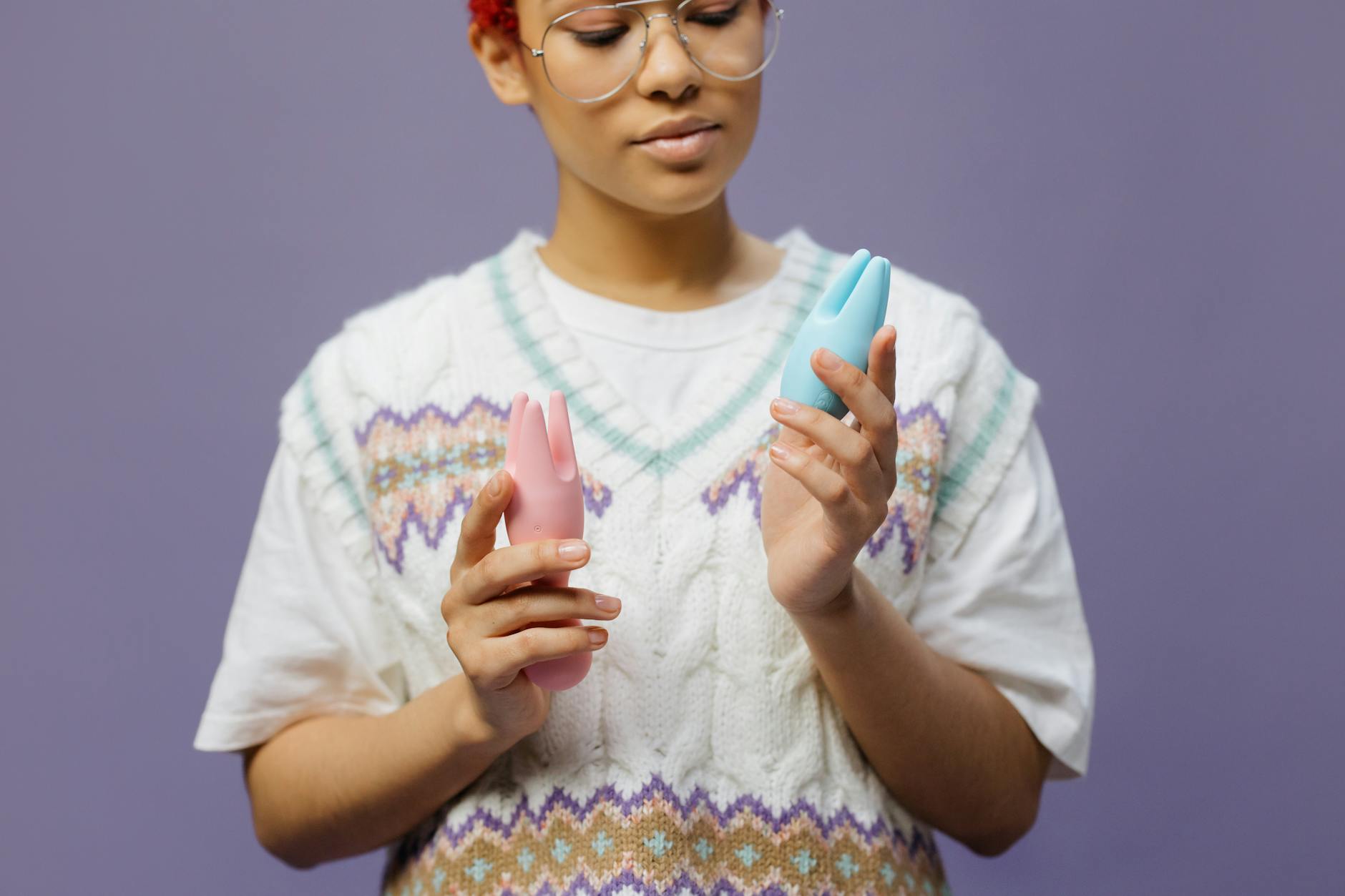
Photo by cottonbro studio on Pexels
Lubrication matters more than you think
One of the overlooked effects of hormonal imbalances is dryness. PCOS and thyroid dysfunction both suppress natural lubrication. Endometriosis can make the entire pelvic region feel drier because inflammation is happening internally.
With lemon clitoral vibrators, good lubrication isn't optional. The suction mechanism works better with a wet surface, and dry tissue can feel irritated even if the stimulation itself is gentle.
Use a water-based lube designed for sensitive skin. Apply it generously before you start, and reapply as needed. This isn't a sign that something's wrong. It's just honoring what your body needs right now.
If you're someone who used to produce plenty of natural lubrication and now you're not, that's the hormonal shift talking. Lube is your tool for closing that gap.
Sensitivity doesn't mean you've broken
Hormonal conditions often come with increased sensitivity in the pelvic region. Everything feels more tender, more reactive, more prone to irritation. This can make people hesitant to use any vibrator at all.
But there's a difference between healthy sensitivity and pain. Healthy sensitivity means you might need a lower intensity setting, more lube, or shorter sessions. Pain means something's inflamed and you should check in with your doctor.
If you have endometriosis and you're managing pelvic floor tension, using your lemon vibrator very gently can actually help. Low-intensity suction doesn't aggravate the area; it can help train your pelvic floor to relax. Many people find that consistent, gentle stimulation over weeks reduces the baseline tension they carry.
The key is patience. You're not starting from zero. You're calibrating to a new baseline.
Partnered pleasure gets complicated
If you have a partner, hormonal changes can create friction in the bedroom beyond the physical kind. You might need different timing, different intensity, or a completely different approach than you did before.
Here's what helps: separate the conversation about your body from the conversation about your relationship. "I'm managing endometriosis and my body needs adjustments" is not the same as "I'm not attracted to you anymore." But they can sound the same if you're not clear.
If your partner is used to you being ready in five minutes, they need to understand that's not laziness now. It's your body's current reality. A lemon vibrator can be perfect for solo exploration while you're figuring out what feels good, and then you bring that knowledge into partnered sex.
Many people find that once they've spent time alone with a toy like this, understanding their own new baseline, partnered sex becomes easier because everyone knows what to expect.
When to talk to your doctor
If pleasure has disappeared entirely and lube and lower settings aren't helping, that's worth a conversation. Sometimes hormonal conditions also trigger vestibulodynia or other pain syndromes that need clinical attention. A gynecologist familiar with PCOS or endometriosis can help you understand whether what you're experiencing is normal adaptation or something that needs treatment.
If you're on hormonal medications, your cycle might stabilize over time. Once it does, your baseline changes again. What works now might need adjustment in three months. That's normal.
The goal isn't to return to how you felt before. It's to build a pleasure practice that honors what your body is actually doing right now.
FAQ: Hormonal Changes and Lemon Vibrators
Can I use a lemon vibrator if I have endometriosis?
Yes, and many people with endometriosis report that lemon clitoral vibrators work better than traditional vibrators. The key is using low settings, prioritizing external stimulation, and stopping if you feel sharp pain (as opposed to the general pelvic achiness that might be normal for you). The suction mechanism is gentler than repetitive vibration and less likely to aggravate inflammation.
Does PCOS affect how vibrators feel?
Absolutely. PCOS creates hormonal fluctuations that change arousal speed, lubrication, and sensitivity. Many people with PCOS find that they need lower intensities and longer warm-up time. A lemon vibrator's adjustable suction patterns are helpful because you can start very gently and build up, rather than choosing between "off" and "intense vibration."
Will my sensitivity come back if I use a lemon vibrator regularly?
It depends on what caused the sensitivity change. If it's hormonal, then yes, as your hormones stabilize (through medication, lifestyle, or time), your baseline sensitivity usually improves. Using a lemon vibrator during this transition actually helps you understand your body's current sensations, which makes adjustment easier. If sensitivity is tied to pelvic floor tension or inflammation, gentle use can help relax the area over time.
What intensity should I start with if I have hormonal changes?
Start at the lowest setting. Spend time there for several sessions before moving up. With suction-based toys like lemon vibrators, even the lowest pattern is effective. You're not cheating yourself by starting low. You're meeting your body where it actually is, which is the only way sustainable pleasure works.
Can hormonal conditions make orgasms harder to achieve?
Yes, absolutely. Hormonal imbalances slow arousal and sometimes make orgasm feel distant or numb. The good news is that this is usually temporary or manageable. Longer warm-up, lower intensity, consistent practice, and sometimes medication adjustments all help. A lemon vibrator's progressive suction patterns can be especially helpful because they let you build sensation gradually, which works better for slower-building arousal.
Should I switch vibrator types if my hormones change?
Not necessarily. But you might need to adjust how you use what you have. If you've been using a traditional vibrator and your body suddenly isn't responding, it might not be the vibrator's fault. It might be that your body needs lower intensity, more lube, longer arousal time, or a different rhythm. Some people find that switching to a lemon clitoral vibrator resolves the mismatch because suction works differently than vibration. Others find that adjusting how they use their existing toy is enough.
You're not broken. You're just adapted.
Hormonal conditions change what feels good. They don't end pleasure. They redirect it. And honestly, once you stop fighting the changes and start working with them, a lot of people find their sexual response gets richer, not poorer.
A lemon vibrator, with its gentle, adjustable suction and focus on clitoral sensation, tends to adapt well to bodies in transition. But the real tool is understanding that your body isn't broken. It's just asking for something different.
Take the time to figure out what that is. Solo exploration with a toy designed for sensitivity is one of the best ways to do that. And then you bring what you've learned into the rest of your sexual life, whether that's partnered or solo.
Your pleasure matters. Even when your hormones are a mess. Especially then.