The real problem isn't the vibrator
Let's start here because it matters. When a partner says "I don't want you using toys," what they're usually saying is "I'm scared this means something about me, about us, about whether I'm enough." The lemon vibrator isn't the issue. The conversation you're not having is.
I work with couples on this all the time. One person wants to introduce toys into their intimate life. The other digs in. And almost every single time, underneath the "I just don't like them" is something more vulnerable: "What if you prefer it to me?" or "Does this mean I'm failing you?" or even "I don't know how to fit into that scenario and it makes me feel excluded."
The good news? This is fixable. But it requires understanding what's actually happening underneath the resistance before you introduce any lemon clitoral vibrator into the bedroom.
Why partners resist—and it's not what you think
Resistance to pleasure toys falls into a few patterns. Recognizing which one you're dealing with changes your approach completely.
The insecurity response. Your partner equates toys with replacement. They think it means you're not satisfied with them, or that the vibrator does something they can't do. This is the most common one, and it's rooted in a fragile picture of their own desirability.
The control response. Some people fear loss of control or predictability in intimate moments. They like things a certain way, and introducing a new element feels destabilizing. This often masks anxiety about not knowing what happens next.
The exclusion response. Your partner might worry they'll be sidelined. If you're using a lemon vibrator, where do they fit? What's their role? This is especially common in people who associate intimacy with being needed.
The discomfort response. Some partners were raised with shame around pleasure, or they have no reference point for toys and the unknown makes them nervous. This is the easiest to resolve, but it takes patience.
The values collision. Less common, but real. Some people have genuine beliefs about what sex "should" look like, and toys don't fit that picture. This one needs deeper conversation because it's not fear, it's ideology.
Figure out which one you're actually dealing with before you say another word about a lemon vibrator. The solution is totally different depending on what's underneath.
The conversation you need to have first
Don't lead with the toy. Lead with curiosity.
"I've noticed you seem resistant to the idea of toys. I want to understand what that's about for you." Then stop talking. Let them answer.
Listen for the actual fear, not the stated objection. If they say "I just don't like the idea," ask gently: "What worries you about it?" or "What do you think it would mean if we used toys together?" or "How do you imagine it would change things?"
This is where the real conversation starts. Because once you know they're afraid of being replaced, you can say: "That's not what this is about. This is about us exploring more sensation together. You'd be right there with me." That's different from just buying a lemon sexual toy and hoping they come around.
If they're worried about control, you can promise: "We go at your pace. You decide when. You decide what. I'm not doing this without you on board." That's reassurance.
If they feel excluded, you can ask: "What would make this feel like something we're doing together, not something I'm doing to myself?" And then listen. Maybe the answer is they want to hold it. Maybe they want to control the intensity. Maybe they want to use it on you. The point is you're making them part of the decision, not steamrolling over their discomfort.
Reframe this as joint exploration, not solo pleasure
Here's the thing about introducing lemon vibrators when your partner is resistant. You can't just announce you're using one alone and expect them to warm up to it. That confirms every fear they have.
Instead, position this as something you're exploring together. "I'd like to use a vibrator with you, during sex. Not instead of sex. With. I want us both to feel good."
That's a totally different proposal. It means the vibrator is a tool for both of you, not a replacement for either of you.
If they're still hesitant, start smaller. Not with full penetration or intense sensation. Start with the idea. "What if we just looked at it together? No pressure to use it tonight. Just get used to the idea."
Some partners need time to adjust to a new object in the bedroom. Let them have that time. Forcing it accelerates the resistance.
The practical introduction that actually works
Once you've had the conversation and you both agree to try, here's how to introduce a lemon clitoral vibrator without activating old fears.
Make it low-pressure. Position this as an experiment, not a permanent change to your intimate routine. "Let's try this and see how it feels. We can stop anytime." That removes the fear of commitment to something they're still unsure about.
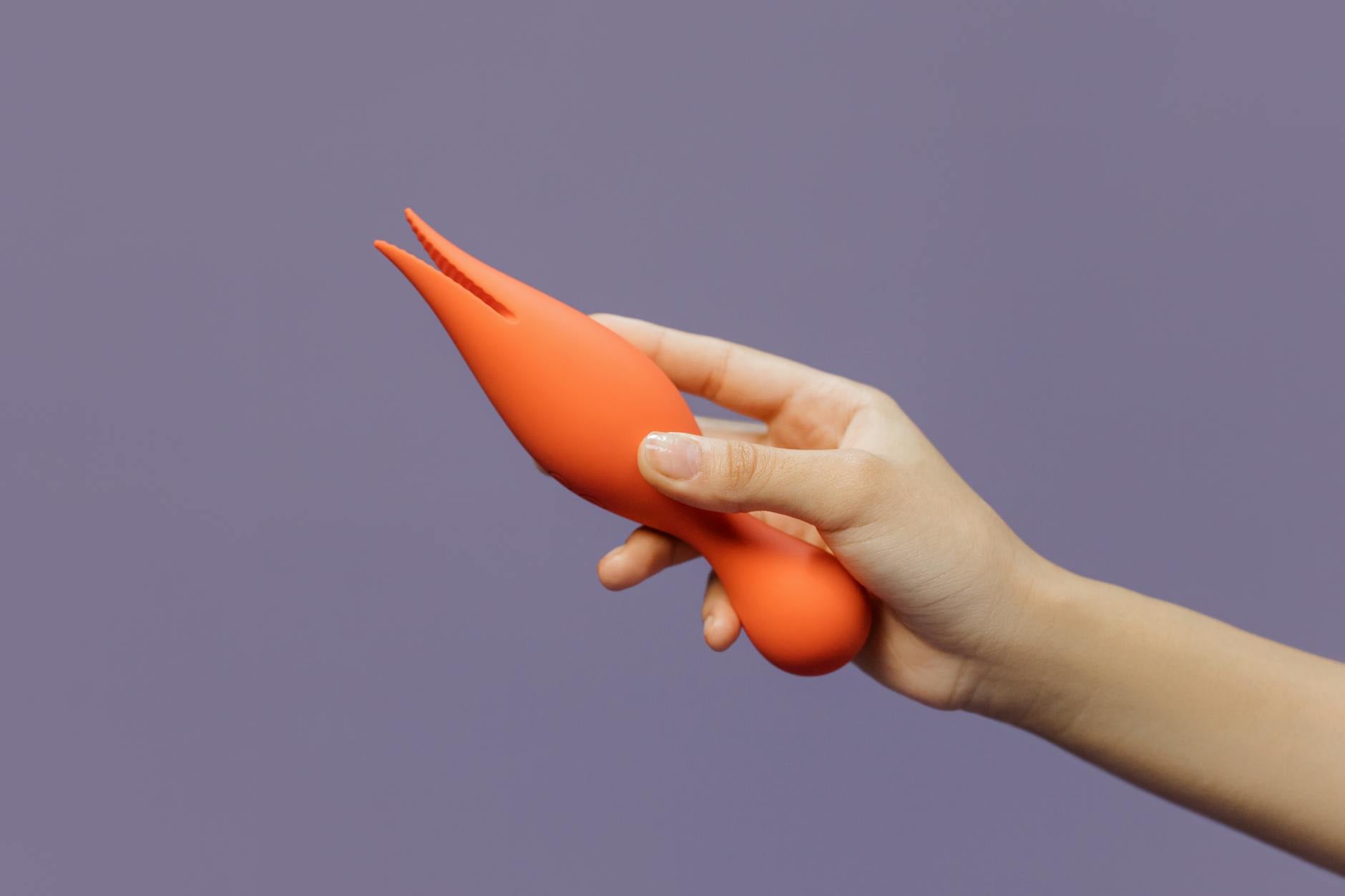
Let them hold it first. Hand them the lemon vibrator before you use it. Let them see it's just a object. Let them feel the size, the weight, the vibration setting. Familiarity reduces fear.
Start with them using it on you. This flips the dynamic entirely. Suddenly they're not worried about replacement. They're the one in control, the one creating sensation, the one causing pleasure. That's powerful. It reframes the toy from threat to tool that belongs to both of you.
Keep communication open. During sex, check in. "This feels good. Does this work for you?" "Want me to adjust?" Regular check-ins mean they're not sitting there spiraling about whether you're enjoying the toy more than them. They're engaged in the moment.
Celebrate the sensation together. After. Say what you felt. Ask what they felt. Make the vibrator a shared experience, not a solo one.
When they still say no—and that's okay
Sometimes, after the conversation, after the gentle introduction, a partner still says no. And you have to respect that boundary.
But here's what I'd suggest before you accept that it's over. Try this: "I hear that you're not comfortable with this right now. Can we agree to revisit this in a few months? Not because I'm pushing, but because sometimes comfort grows over time."
Many resistant partners come around once they see that introducing a lemon sexual toy doesn't destroy intimacy. It actually deepens it. Your partner might feel safer with time.
In the meantime, explore ways to rebuild intimacy after long-term disconnection that don't require toys. Sometimes the real work is elsewhere.
But also be honest with yourself about compatibility. If you want to explore your pleasure with toys and your partner refuses to engage, that's worth naming. You don't have to break up over it, but you do have to decide if you're willing to live with that boundary. That's a real conversation too.
What changes when you get this right
Couples who successfully introduce pleasure toys together often tell me the same thing. It wasn't actually about the vibrator. It was about the conversation that happened first. It was about being seen, heard, and reassured. It was about knowing that your partner's pleasure matters, but so does your comfort.
Once that foundation exists, the lemon vibrator becomes what it actually is. A tool. A sensation. A way to explore together.

Photo by Anna Shvets on Pexels
And that's when things shift. Resistance transforms into curiosity. Fear becomes trust. And you get to experience your pleasure, together, without it being a threat to the relationship.
That's the actual goal. Not the toy. The connection.
FAQ
How do I know if my partner's resistance is a dealbreaker?
It depends on what's driving it and whether they're willing to engage at all. If your partner refuses to talk about their concerns, refuses to hear you out, or makes demands that you give up your sexual autonomy entirely, that's different from someone who's scared but willing to work through it slowly. The difference is openness. Are they willing to understand you, even if they're nervous? Or are they shutting the conversation down? That tells you a lot.
What if my partner says toys "aren't natural" or are against their values?
That's the values collision I mentioned. It's the hardest one because it's not fear, it's ideology. You can't reason someone out of a deeply held belief. What you can do is explore it. "What makes something natural or unnatural to you?" "Where did you learn that?" "Is there room for my perspective on this too?" Sometimes people soften their stance when they feel heard. Sometimes they don't. But at least you understand what you're dealing with.
Can I use a lemon vibrator alone while my partner adjusts?
Technically yes, but know that it might reinforce their fear. If they think you're using the toy secretly or without them, it confirms the narrative that you're choosing it over them. Better approach: be transparent. "I'd like to explore this on my own, to get comfortable with it, so when we try together it feels less awkward for both of us." Then follow through on the "together" part.
How long does it usually take for a resistant partner to come around?
Varies wildly. Some people shift in weeks. Some take months. Some never fully come around, but they accept it. The timeline depends on how deep the fear is, how much you communicate, and whether they see that the toy actually improves your sex life instead of threatening it. Patience matters more than speed.
What if they agree to try but seem uncomfortable during sex?
Stop. Not dramatically, just genuinely. "I can feel this isn't comfortable for you right now. We don't have to do this tonight." Then put the toy away without resentment. The goal is to build positive associations with the idea, not to push through discomfort. Next time might be better. Or the time after that. Rushing this guarantees failure.
Can we use a lemon vibrator together without it being about individual pleasure?
Absolutely. Some couples use clitoral vibrators during partnered sex, external only, as a way to intensify sensation during penetration. Others use it as foreplay. The vibrator doesn't have to be about solo pleasure. It's just a tool that creates sensation. How you use it is up to you both.