Here's what nobody tells you about desire after a fight
Your sex drive doesn't just disappear because you and your partner had a conflict. It locks itself away. And the harder you try to force it back, the deeper it burrows. This is especially true when the fight involved disconnection, criticism, or unresolved resentment. Your body registers the emotional distance before your mind even catches up.
The problem is that most couples wait for the intimacy to return on its own. They assume that a sincere apology or a few days of civility will magically flip the switch. Sometimes it does. Often it doesn't. And then both people end up sitting in frustration, wondering if the relationship itself is the problem, when really the problem is that nobody taught them how to rebuild desire intentionally.
Why conflict kills arousal (and why that's actually smart)
Your nervous system isn't being difficult. It's being protective. When there's unresolved tension with your partner, your body registers that person as a low-level threat. Your sympathetic nervous system is slightly activated, your cortisol stays elevated, and arousal becomes nearly impossible because arousal requires the opposite state. Your body is saying: we're not safe enough here to drop into vulnerability.
That's useful information. But it's also temporary. The key is understanding that rebuilding desire after conflict is a two-step process: first, you reconnect to pleasure solo. Then, you create the conditions for pleasure with your partner.
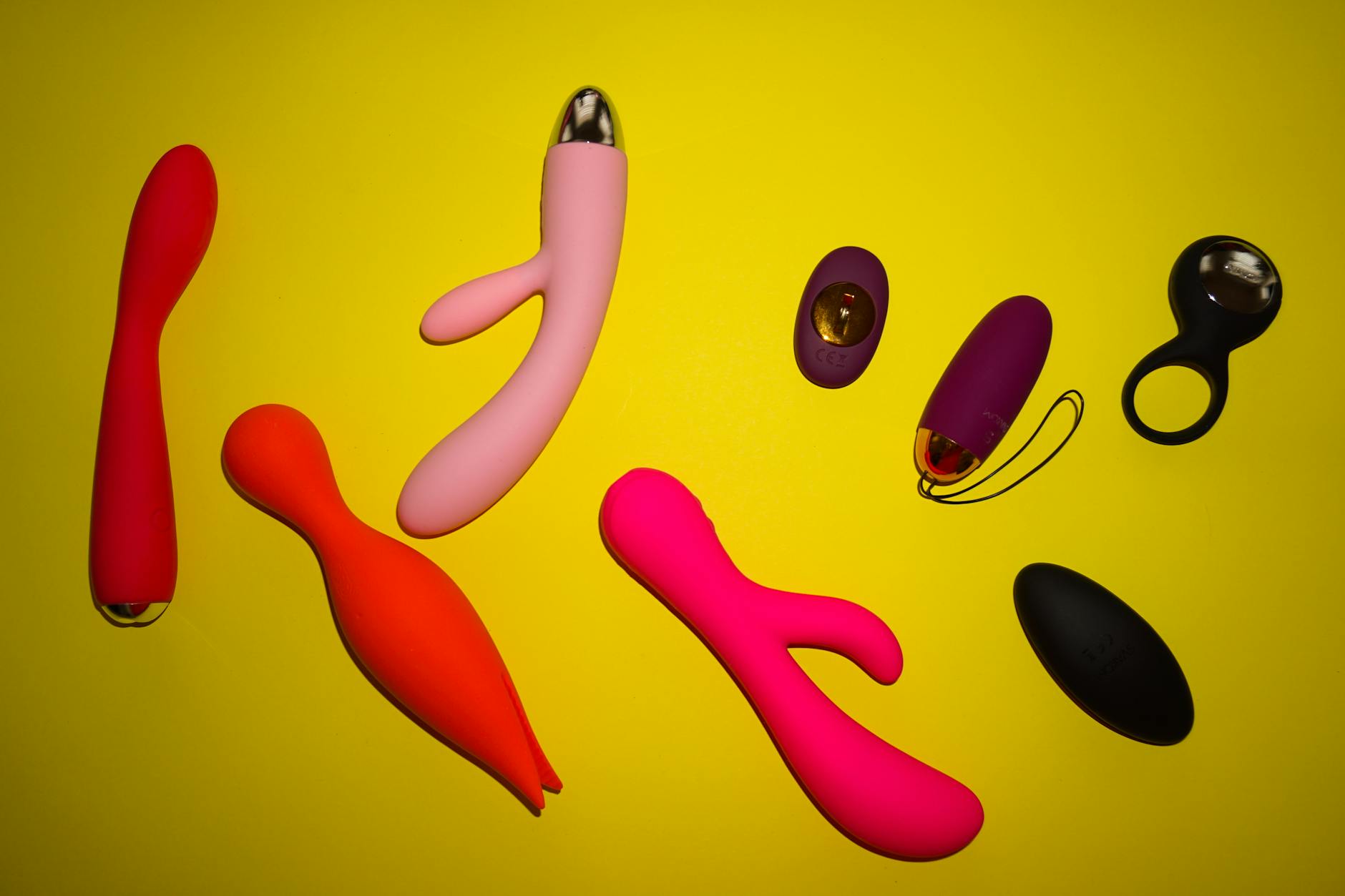
This is where tools like a lemon clitoral vibrator become valuable. Not because they fix the relationship conflict, but because they help you remember what pleasure feels like when the rest is too complicated.
Step one: solo pleasure as a bridge back to yourself
After a significant conflict, your body might feel off-limits. Numb. Guarded. Using a vibrator alone gives you permission to explore sensation without the weight of your partner's expectations or the tension between you.
This isn't infidelity. It's not a replacement for intimacy with your partner. It's the opposite. It's you reclaiming your own body so that you can bring a fuller self back to the relationship.
When you use a lemon vibrator solo during this phase, you're doing something specific: you're reminding your nervous system that pleasure is still available to you. You're creating a small pocket of safety in your body. And you're doing it for you, not for anyone else.
Start with low intensity. If you've been checked out emotionally, your body might need gentler entry back into sensation. The Lem's suction design works beautifully here because it doesn't require you to be at peak arousal to enjoy it. You can explore at a lower activation level and let pleasure build gradually.
Step two: the conversation that has to happen first
Before you and your partner try to reconnect physically, you need to have a conversation that doesn't happen during sex. Sit down when you're both clothed, calm, and not in bed. The conversation sounds like this:
"I've been feeling disconnected since our conflict. My body shut down a bit. I'm working on reconnecting with myself, and I want us to rebuild this slowly and intentionally. I'm not ready to jump back into sex like nothing happened. I need us to rebuild trust in smaller ways first."
That clarity prevents your partner from misinterpreting your desire hiatus. It stops resentment from building on their side. And it sets a cooperative tone instead of a combative one.
Then, together, decide on a timeline that feels honest. This might be a week. It might be two. It might be longer if the conflict was deeper. There's no universal right answer. But there is a right answer for your relationship. You'll know it when you say it aloud and both feel relief instead of dread.
Step three: rebuilding touch before sex
Intimacy doesn't start in bed. It starts in the moments before. When you've been in conflict, you often lose the small touches that matter: a hand on the shoulder, a genuine hug, sitting close while watching something together.
Reintroduce touch slowly and without the expectation of it leading anywhere sexual. This is sometimes called "sensate focus" in therapy. The point is to rebuild the sense that touch is safe and pleasurable, not a gateway to something you're not ready for.
A helpful frame: "Let's spend time touching each other this week just to remember what that feels like. No agenda. No expectation of sex."
This might feel awkward. It often does. Do it anyway. The awkwardness is temporary. The reconnection is what sticks.
When desire starts to return, use it intentionally
You might notice a shift after a few days or a week of this intentional rebuilding. A moment where you think about your partner and feel a small spark instead of a wall. That's the signal that the nervous system is beginning to feel safe again.
When that happens, it's tempting to immediately jump back into sex like normal. Don't. Instead, use that spark as a guide for something slower and more present.
Consider bringing a lemon clitoral vibrator into partnered time with this frame: "I want us to explore together without the pressure of the way things used to be. This is just us rediscovering each other."
That reframing matters. You're not going back to the pattern that existed before the conflict. You're creating something new. You're rebuilding from a place of intentionality instead of habit.
The rhythm that actually works
During the rebuilding phase, think of intimacy in layers. Week one might be solo pleasure and conversation. Week two might be non-sexual touch and kissing. Week three might be a vibrator together with clothes on. Week four might be the first instance of what feels like full intimacy, but slower and more connected than before.
This sounds like a lot of structure for something that should feel spontaneous. But here's the thing: spontaneity is what got you into a cycle of conflict in the first place. You were moving on autopilot, not checking in, not noticing the distance until it was a fight.
Intention is the antidote. And intention doesn't kill spontaneity. It creates room for it.
Red flags that you might need more support
If after two to three weeks of intentional rebuilding you feel no shift at all, or if the sex itself feels painful or deeply anxiety-inducing when you do return to it, that's information. It might mean the conflict was more serious than surface repair can handle. It might mean there are patterns in your relationship that need professional attention.
There's no shame in that. A relationship coach or couples therapist isn't a failure. It's a tool that helps you understand what's happening beneath the surface. How to Use Lemon Vibrators When Your Partner Resists Pleasure Toys Together covers some of that territory, but a live conversation with a professional often gets clearer, faster results.
What you're really rebuilding
When you use this approach, you're not just fixing sex. You're rebuilding the trust that gets damaged in conflict. You're learning to communicate about something vulnerable. You're proving to your nervous system that your partner and your relationship are worth slowing down for.
That's relationship repair. And it happens to also lead to better sex. But the sex is the outcome, not the goal.
People also ask
How long does it usually take for desire to return after a big fight?
There's no universal timeline. For minor conflicts, a few days. For deeper ruptures, two to four weeks. The variable is how much trust needs rebuilding and whether both people are actively engaged in that process. If one person is trying and the other is pretending nothing happened, it takes longer. If both people show up, it's usually faster.
Can using a vibrator alone make my partner feel worse if we're already in conflict?
Not if you talk about it first. Couples often operate under the assumption that solo pleasure threatens partnership. It doesn't. In fact, solo pleasure during a conflict recovery phase often helps you both because it gives you a way to process your own body without bringing unresolved emotions into partnered time. The conversation is what protects the relationship. "I'm using this to remember my own pleasure while we rebuild" is very different from hiding it.
Is it okay to use a lemon vibrator together as part of reconnecting?
Absolutely. In fact, it can be powerful. A clitoral vibrator introduces a new element into partnered intimacy, which breaks the pattern that might have contributed to the conflict. It also shifts focus away from performance and back onto sensation. Using something like the Lem together can feel like exploring something new rather than returning to the old dynamic.
What if my partner isn't interested in rebuilding?
That's a different problem than what this article addresses. If your partner isn't willing to engage in the rebuilding process after a significant conflict, that's information about whether they value the relationship and you. A coach or therapist can help you understand what's happening and what your options are.
Should I wait for my partner to initiate sex, or should I initiate?
Neither. You should both initiate conversation first. During conflict recovery, initiation can feel like pressure. Instead, create space together. Say "This weekend, let's make time to reconnect." Then show up present. The initiation happens in the conversation, not in the moment.
Can solo pleasure with a vibrator replace what I need from my partner right now?
Solo pleasure serves a specific function during conflict recovery: it helps you reconnect with your own body and nervous system. It's not a replacement for partnership. It's a stabilizing force while you rebuild. Think of it as a way to take care of yourself while the relationship repair is happening, not as a way to bypass the repair itself.
The takeaway
Desire after conflict isn't something you force back. It's something you create conditions for. Those conditions include honesty, intentional touch, time, and permission to explore your own pleasure solo first. A tool like a lemon clitoral vibrator fits into that process because it helps you remember that your body is still yours, still capable, still worth attention. And from that foundation, rebuilding intimacy with your partner becomes possible again.
If you're struggling with deeper patterns in your relationship or don't know where to start with rebuilding, reach out. We're here to help you find clarity.