Why Lemon Clitoral Vibrators Feel Different During Menopause
Here's the thing about menopause and pleasure: everything you've probably heard falls into one of two categories. Either "your sex life is over" or "nothing changes, don't worry." Both are useless, and both miss the actual physiology.
Your lemon vibrators and clitoral vibrators absolutely work during menopause. The question isn't whether they work. It's that they work differently. And understanding why is the difference between thinking you're broken and actually enjoying yourself again.
How estrogen drop changes clitoral sensitivity
When estrogen declines, the tissue around your clitoris gets thinner. This isn't a metaphor. The epithelial layer that covers the clitoral glans actually becomes less cushioned, less hydrated, less protected. That means the same level of vibration that felt perfect at 35 can feel either too soft to register or too intense to enjoy at 55.
Your clitoral nerve density doesn't change. The nerves themselves are still firing. But they're firing through tissue that's reorganized. It's like hearing music through a different speaker. Same song. Different acoustics.
This is why some people say their lemon vibrators stopped working during menopause. They didn't. The contact changed. The response curve changed. Your clitoris is still responsive, still capable of orgasm. The path to get there has shifted.
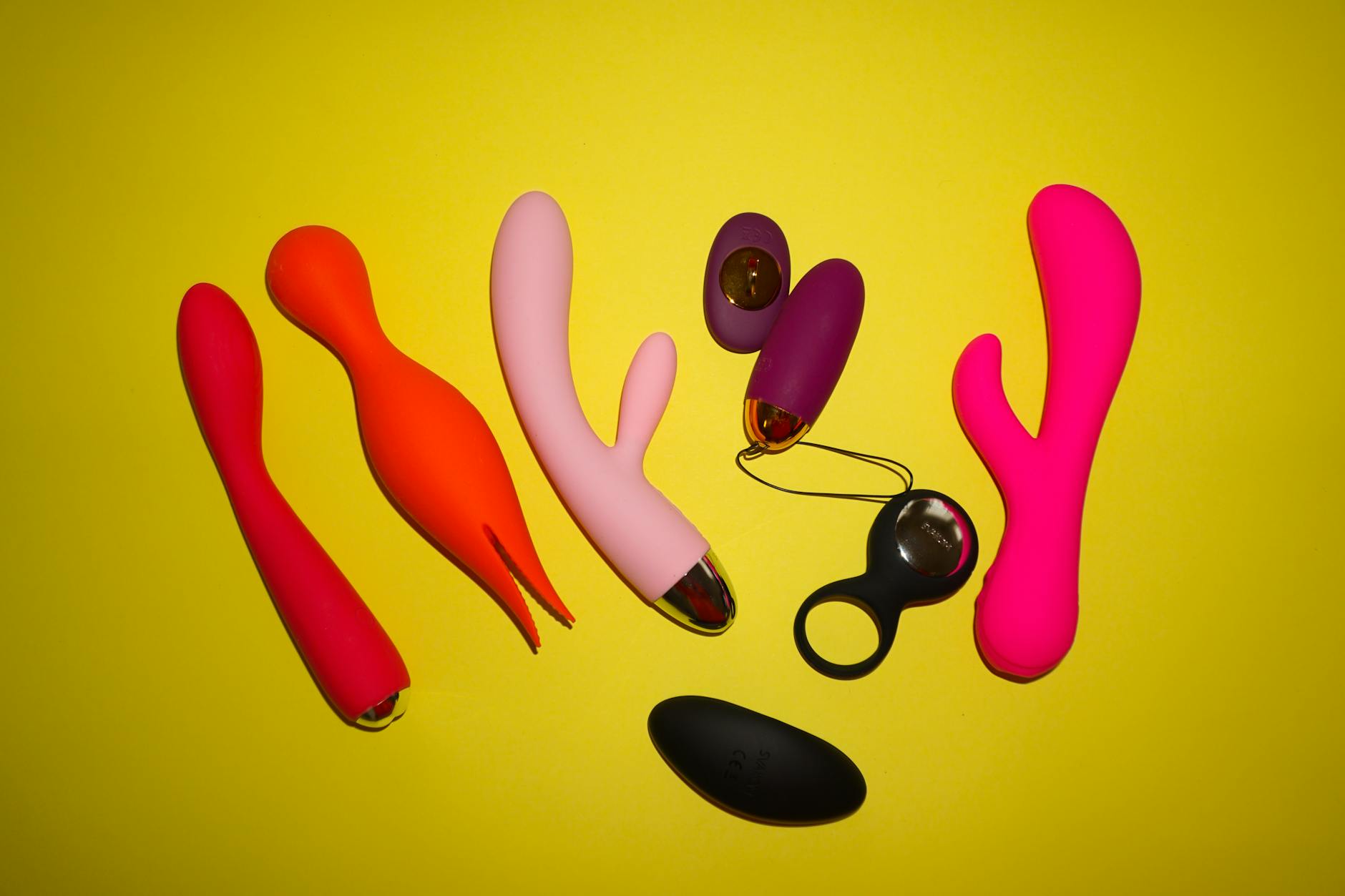
Photo by FounderTips on Pexels
Why lemon suction toys adapt better than traditional vibrators
This is where air-suction devices like the Lem vibrator actually have an advantage. Here's why.
Tradditional vibrators rely on friction and direct pressure. When tissue is thinner and more sensitive to direct contact, that friction can feel irritating rather than pleasurable. You end up chasing the sensation, turning up intensity, and ending up uncomfortable.
Lemon clitoral vibrators use gentle suction. The suction creates a seal around the clitoral area without the same direct mechanical pressure. This means you get stimulation of the nerve endings without grinding against delicate tissue. For people navigating menopause, this often feels less jarring and more controlled.
I've worked with dozens of clients who thought they'd lost sensitivity during menopause. When they switched from traditional vibrators to a lemon suction vibrator, they realized sensitivity wasn't gone. It was just different. The suction approach met them where their body actually was.
What doesn't change about your pleasure capacity
This matters because the anxiety is real. You've been told your sex drive disappears. Your orgasms disappear. That you're entering a phase of decline.
None of that is true.
Your brain's pleasure center doesn't care about estrogen levels. The neural pathways for arousal, the pathways that light up during orgasm, the ability to feel desire and satisfaction. All of that stays intact. Some people report the most satisfying orgasms of their lives after menopause. This isn't nostalgia. It's documented.
Your clitoris has about 8,000 nerve endings. Menopause doesn't reduce that number. The tissue around those nerves changes, yes. But the capacity for sensation is still there. The capacity for pleasure is absolutely still there.
Warm-up time becomes non-negotiable
One of the biggest shifts with lemon vibrators during menopause is timing. Arousal used to build fast. You could go from zero to engaged in five or ten minutes. During menopause, that timeline extends. Not because you're broken. Because hormone levels change how quickly blood flows to genital tissue.
This is actually information, not a problem. When you know warm-up takes 20 to 30 minutes, you can plan for it. You can enjoy it. You can let your partner know. Instead of feeling like you're stuck in slow motion, you reframe it as intentionality.
With lemon clitoral vibrators specifically, this means starting on the lowest pattern for longer than you might have before. Pattern one or two. Five to ten minutes. Let your body respond. Your clitoris will expand, tissue will engorge, and then you can build intensity.
Patience doesn't sound sexy. But it produces better orgasms than rushing.
Lubrication isn't optional anymore
Estrogen supports vaginal and clitoral lubrication. When estrogen drops, that support drops too. Your body doesn't stop producing lubrication entirely, but the amount and consistency changes. For some people, it's a minor shift. For others, it's significant.
If you're using a lemon vibrator or any clitoral toy, water-based lubricant changes everything. Not because you're broken. Because thinner tissue benefits from the glide. The lube creates a buffer between the toy and your skin. It reduces friction irritation. It makes the sensation more comfortable.
Use water-based specifically. Silicone lube feels richer, but it can degrade silicone toys over time. Water-based is clean and works beautifully with any lemon suction vibrator or air-pulse toy.
Pelvic floor tension is real and fixable
During menopause, pelvic floor muscles often tighten. This happens partly from reduced estrogen and partly from anxiety around these changes. A tight pelvic floor can make penetration uncomfortable, change how toys feel, and actually reduce orgasmic intensity.
You already know about Kegels. But during menopause, the opposite matters more. Learning to relax and release your pelvic floor is as important as strengthening it. That means slow breathing, conscious release, and sometimes professional help from a pelvic floor physical therapist.
When your pelvic floor is relaxed, your lemon vibrator's sensation travels differently. Orgasms can feel more full-body instead of localized. Intensity builds more gradually and peaks more noticeably.
When to seek help and when to experiment
Some discomfort during menopause is normal. Persistent pain is not. If you're experiencing pain with toys or sex, see a menopause-trained doctor. Genitourinary syndrome of menopause is common and highly treatable with topical estrogen creams.
If sensation feels completely numb, talk to your doctor. If desire has vanished and isn't returning, testosterone therapy is worth discussing with your provider.
For most people, the adjustment is about recalibration. Different warm-up time. Different intensity curve. Different products, maybe. A different rhythm. But the capacity for pleasure absolutely persists.
The biggest shift is often emotional
Menopause brings a lot of life transitions at once. Kids leaving. Relationship changes. Body changes. Grief sometimes. It's tempting to blame all of it on hormones. Sometimes that's accurate. Sometimes what feels like lost pleasure is actually lost connection, lost attention, lost permission to prioritize yourself.
If you're with a partner, separate the conversations. "My body is responding differently" is a logistics talk. "I want us to reconnect" is an intimacy talk. Mixing them creates confusion for both of you.
If you're single, menopause is often the first time you have permission to explore pleasure entirely for yourself. No fertility concerns. No societal pressure to perform. No timeline but your own. For many people, that permission changes everything.
People also ask
Do lemon vibrators work during menopause?
Yes. The lemon suction vibrator is actually well-suited to menopausal bodies because suction-based stimulation doesn't rely on friction the way traditional vibrators do. Thinner tissue during menopause responds better to gentle suction than to direct pressure. Most people find lemon clitoral vibrators work equally well or better during this life stage with minor adjustments to warm-up time and intensity settings.
Why does my lemon vibrator feel different than it used to?
Tissue thickness, hydration, and blood flow all change during menopause. Your clitoris is still fully capable, but the tissue around it has reorganized. The same vibration settings might feel too gentle or too intense because the sensory pathway has shifted. This isn't malfunction. It's adaptation. Starting at lower intensity and using lubricant usually restores the sensation you're looking for.
Should I increase the intensity on my lem vibrator during menopause?
Not necessarily. Many people assume "it doesn't feel like anything" means they need stronger stimulation. Often, the opposite is true. Thinner tissue can actually be more sensitive to direct pressure, making higher intensities uncomfortable. Try starting on pattern one and spending more time in warm-up instead. You might find lower intensity now produces better results than it did before.
Is it normal to need more lubrication with clitoral vibrators during menopause?
Completely normal. Estrogen drop reduces natural lubrication. Using water-based lube with any toy, especially lemon clitoral vibrators, removes friction and makes sensation more comfortable. Lube isn't a sign something's wrong. It's a simple tool that makes pleasure more accessible.
Can menopause affect orgasm intensity with lemon vibrators?
Yes, but not necessarily in the way you'd expect. Some people report shallower orgasms during early menopause as pelvic floor changes. Others report more intense orgasms once they adjust, especially if they spend more time in warm-up and relax their pelvic floor. Intensity often improves with a slower approach and acceptance of a longer build time.
How long should warm-up take when using a lemon suction vibrator during menopause?
Budget 20 to 30 minutes instead of 5 to 10. This accounts for slower blood flow and arousal buildup. Start on a low pattern on your lemon vibrator and let your body respond. This isn't wasted time. Longer warm-up often produces more satisfying orgasms than rushing.
The honest ending
Menopause changes your relationship with pleasure. It doesn't end it. Your lemon vibrator still works. Your clitoris still responds. Your body still has capacity for orgasm and satisfaction.
What changes is the map. The warm-up time. The intensity curve. The role of lubrication. The permission you give yourself to slow down. If you're navigating pleasure after hormonal changes, understanding how your body actually works matters far more than pushing through discomfort.
For most people, menopause isn't a deadline. It's a redirect. And often, it's a redirect toward pleasure that feels better, more intentional, more fully yours than anything that came before.